
Gallbladder Surgery Mitcham (Cholecystectomy)
Gallbladder Pain
Have you ever woken up in the middle of the night with a pain in the upper right of your abdomen? Or a pain that squeezes you around the top of your ribs? This may be what people refer to as a ‘gallbladder attack’, and it’s known to be quite painful, with many people turning to the emergency room for help.
The gallbladder, a small pouch under the liver, stores bile, a substance that helps digest fats. When bile becomes rich in cholesterol or pigments and isn’t released properly, small crystals can form, gradually building up into gallstones.

Gallbladder Disease
In Australia, gallstone disease is among the leading causes for surgical procedures. Surgeons such as Dr Roshan Ariyaratnam support patients dealing with gallstones and related gallbladder conditions, including acute and chronic cholecystitis, biliary colic, gallstone pancreatitis, and occasionally, gallbladder cancer.
Through prompt diagnosis and proper treatment, patients may experience ongoing relief and lower the chances of complications developing.
With timely diagnosis and the most appropriate treatment, patients may be able to find long-term relief and avoid potentially serious complications.
Symptoms of Gallstones
Not all gallstones cause noticeable symptoms. Smaller stones usually don’t block the bile duct or hinder bile movement from the gallbladder to the small intestine. Once they become larger, though, they may result in symptoms like:
- Pain in the abdomen, which may be severe
- Pain that occurs after eating a fatty meal
- Yellowing of the eyes and sometimes the skin (jaundice)
- Elevated body temperature (fever)
Causes of Gallstones
Gallstones may develop due to various factors such as:
- An excess amount of cholesterol present in the bile
- Losing weight too quickly
- Being on hormone replacement therapy
- Hereditary blood disorders
- Eating certain fatty foods
For some, gallstones cause no symptoms, but others may suffer from strong biliary pain, recurring flare-ups, or complications like gallbladder inflammation or chronic pancreatitis.
In such situations, gallbladder surgery, also called a cholecystectomy, is often recommended to prevent further episodes and help patients resume their normal routine.
Gallbladder Surgery With Dr Roshan Ariyaratnam
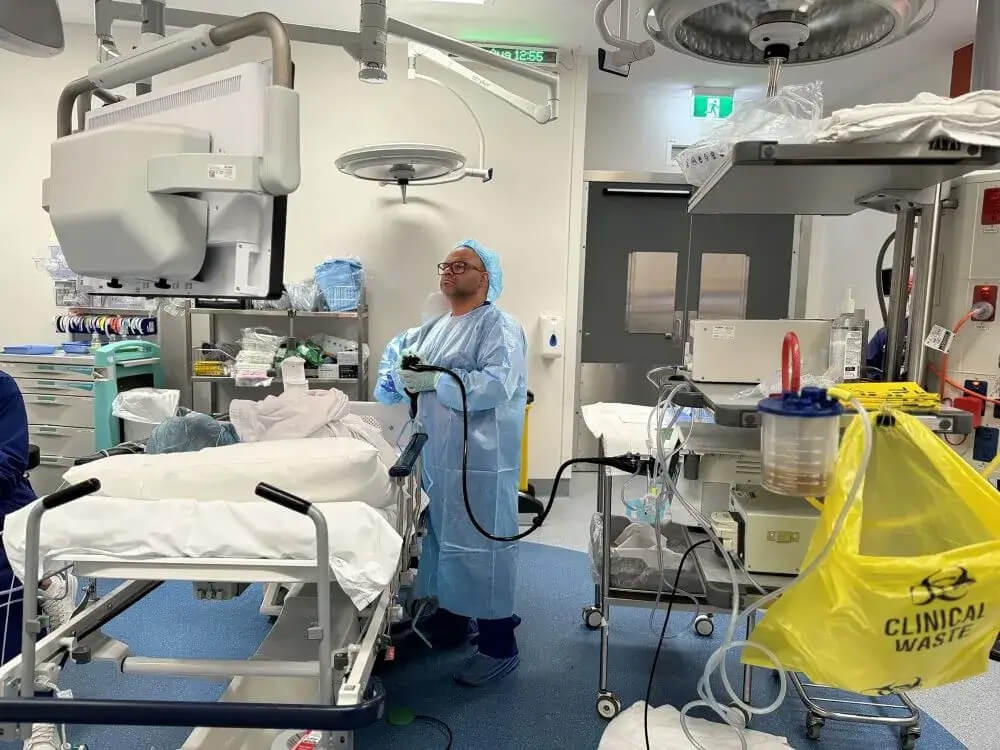
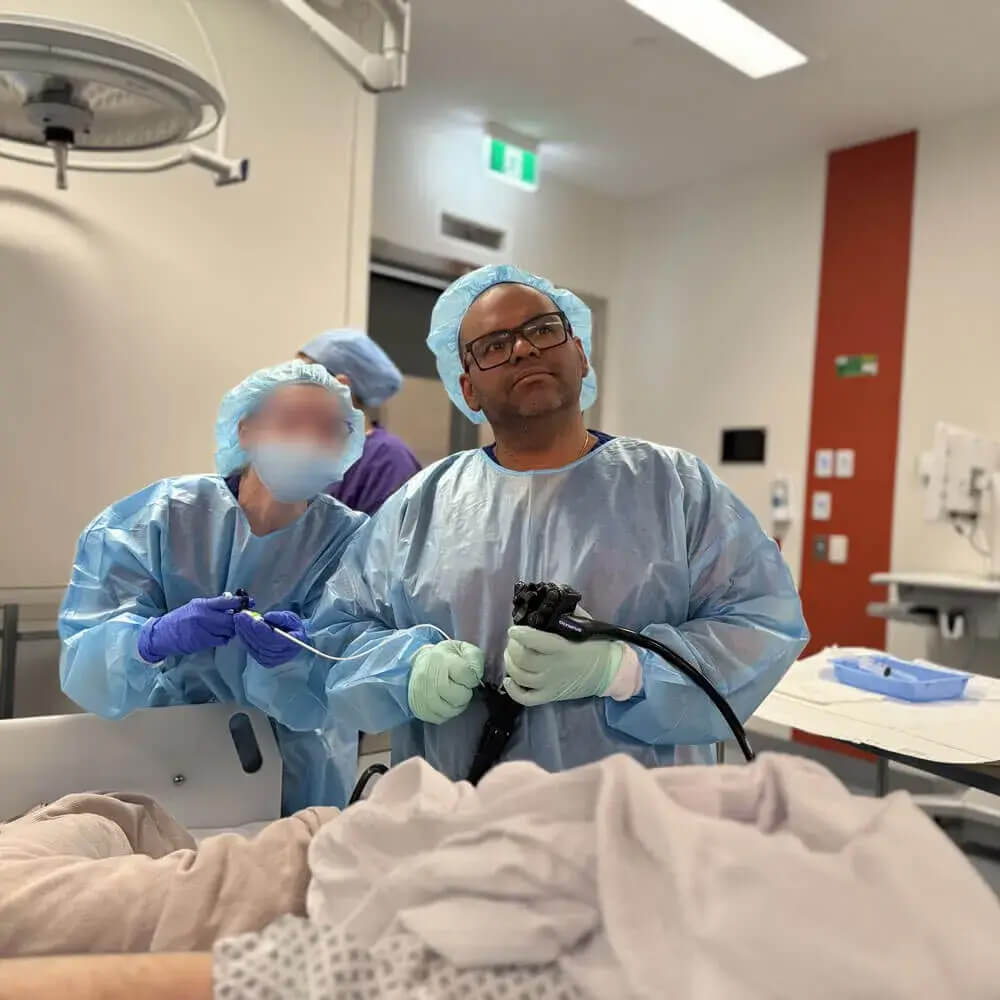
As an experienced general surgeon, Dr Roshan Ariyaratnam has performed numerous gallbladder surgeries near Mitcham. He uses the latest laparoscopic surgical techniques in an effort to minimise recovery time and improve patient outcomes.
Laparoscopic surgery, or keyhole surgery, is the most minimally invasive procedure for gallbladder removal (cholecystectomy). A laparoscopic cholecystectomy involves making a few small incisions to insert surgical instruments, allowing the surgeon to remove the gallbladder with typically less post-operative pain than traditional surgery.
His approach to gallbladder surgery includes:
- Detailed evaluation: Ensuring your symptoms are linked to gallstones while excluding other potential causes such as reflux or ulcers.
- Transparent communication: Discussing the potential risks and benefits and ensuring you understand the consent form before surgery.
- Advanced surgical care: Offering both laparoscopic cholecystectomy and, if required, open gallbladder surgery, aiming to ensure the most appropriate option for each patient.
- After-surgery care: Supporting recovery with pain management, wound care, and nutritional advice like following a low-fat diet to help you get back to your routine.
Dr Roshan Ariyaratnam’s care is guided by evidence-based practice, patient safety, and compassion, ensuring that every patient feels informed and supported throughout their treatment.
Ready to enquire about laparoscopic gallbladder surgery with a compassionate, experienced, local surgeon?
Your Gallbladder Surgery Mitcham Questions Answered
What are gallstones made of?
Gallstones are solid particles that form in the gallbladder, made up of cholesterol, pigments, or a mix of both. Cholesterol stones are the most common, forming when bile contains excess cholesterol; pigment stones result from too much bilirubin, often due to genetic blood conditions; and mixed stones combine cholesterol and salts. They can be as small as sand grains or several centimetres in size.
How many people have gallbladder diseases?
As some people don’t experience symptoms, the exact numbers are hard to define. However, it’s thought that about 15% of people over 50 in Australia have gallstones.
What are the risks of gallbladder surgery?
While surgery is generally safe, it’s important to be aware of potential risks. Uncommon complications can include infection, bleeding, blood clots, bile duct injury, or minor bruising and discharge at the incision sites. Dr Roshan Ariyaratnam will go through all potential risks with you beforehand.
What happens after my gallbladder is removed?
Most people are able to go home within 24 hours of gallbladder removal. A few may notice mild diarrhoea or loose bowel movements due to bile flowing directly into the intestine, but this generally improves over time. A low-fat diet is recommended at first, with a gradual return to normal eating habits.
What is a bile duct, and what is its role in the gallbladder?
Bile ducts transport bile from the liver and gallbladder to the small intestine to aid fat digestion. The common bile duct connects the smaller ducts into one main channel before bile flows into the intestine. During surgery, doctors check these ducts closely to make sure no stones are blocking them, which could lead to discomfort, infection, or jaundice.
Do I need a gallbladder if it's causing issues?
The gallbladder’s main role is to store bile, but it isn’t necessary for normal digestion. After removal, bile flows continuously into the small intestine. Most people adapt well without lasting dietary problems, though a lower-fat diet can ease recovery. Some may notice temporary loose stools, especially after caffeine or fatty foods, but these symptoms generally fade over time.
However, it’s important not to let potential issues like these deter you. If you have gallstones or another condition that affects your gallbladder, undergoing laparoscopic gallbladder surgery is typically the most appropriate option, as leaving it in may lead to further complications.
What areas do you service?
Knox Private Hospital and Forest Hill Medical and Dental Centre are easily accessible to patients in:
Why Dr Roshan Ariyaratnam?
Experience in Minimally Invasive Laparoscopic Surgery
Dr Roshan Ariyaratnam performs laparoscopic gallbladder surgery with the goal of reducing postoperative discomfort and helping patients recover sooner.
Comprehensive, Local Care
Dr Roshan Ariyaratnam provides end-to-end care, from diagnosis through to recovery, all conveniently close to home, with open communication throughout.
Patient-Centred Approach
Drawing on more than 15 years of surgical experience, Dr Roshan Ariyaratnam supports patients dealing with gallbladder and bile duct conditions.

Aiming to Help You Sleep Through the Night Without Pain
If gallstones, biliary colic, or recurring abdominal pain are affecting your routine, laparoscopic gallbladder surgery may offer the best solution to prevent further issues and support a quicker return to everyday comfort.
Book an appointment with Dr Roshan Ariyaratnam to assess your symptoms and discuss whether laparoscopic gallbladder surgery is the most appropriate next step. If you require urgent attention for gallbladder inflammation or want guidance on long-term management, you’ll receive an individualised care plan.