
Haemorrhoid Surgery (Haemorrhoidectomy) Forest Hill
Understanding Haemorrhoids
You’re not alone if you’ve been experiencing the discomfort and irritation of haemorrhoids. They’re one of the most common issues that general surgeons, including Dr Roshan Ariyaratnam, manage.
Haemorrhoids are part of the body’s normal structure, but problems arise when the tissue becomes inflamed, swollen, or prolapsed, causing pain, bleeding, or itching. If you experience these symptoms, it’s best to seek medical assessment.

Symptoms of Haemorrhoids
While symptoms may differ from person to person, the most common symptoms include:
- Painless bleeding, often seen as bright red blood on the toilet paper after you wipe.
- An itchy or irritated sensation around the anus, known as perianal itch.
- Small lumps or skin tags forming around the anus.
- A feeling of discomfort when passing a bowel motion.
In some cases, external haemorrhoids may develop blood clotting (thrombosis), which often causes sudden and painful swelling until the clot dissolves.
orrhoids may develop blood clotting (thrombosis), which often causes sudden and painful swelling until the clot dissolves.
Causes of Haemorrhoids
Haemorrhoids are often triggered by:
- Getting older
- Chronic constipation
- Pregnancy
- Pushing or straining when passing stool
- Prolonged time spent on the toilet
- Using laxatives or enemas more than recommended
While haemorrhoids themselves are not usually dangerous, they share symptoms with other conditions, such as bowel cancer. This is why if you suspect you have haemorrhoids, it’s important to seek professional care for assessment.
Treatment Options for Haemorrhoids
Many individuals find relief through conservative care, such as boosting fibre and fluid intake, using stool softeners, and spending less time on the toilet. These steps may reduce strain in the rectal area and alleviate mild symptoms.
When symptoms persist, there are several minimally invasive surgical options available. Thanks to modern techniques, treating haemorrhoids has become far more advanced and precise. Procedures may include:
- Rubber band ligation, which involves applying a small band to cut off circulation to the haemorrhoidal tissue.
- Haemorrhoid artery ligation, which aims to reduce blood flow to the affected veins
- Formal haemorrhoidectomy (full removal), performed to address internal and external haemorrhoids.
Haemorrhoid Surgery With Dr Roshan Ariyaratnam
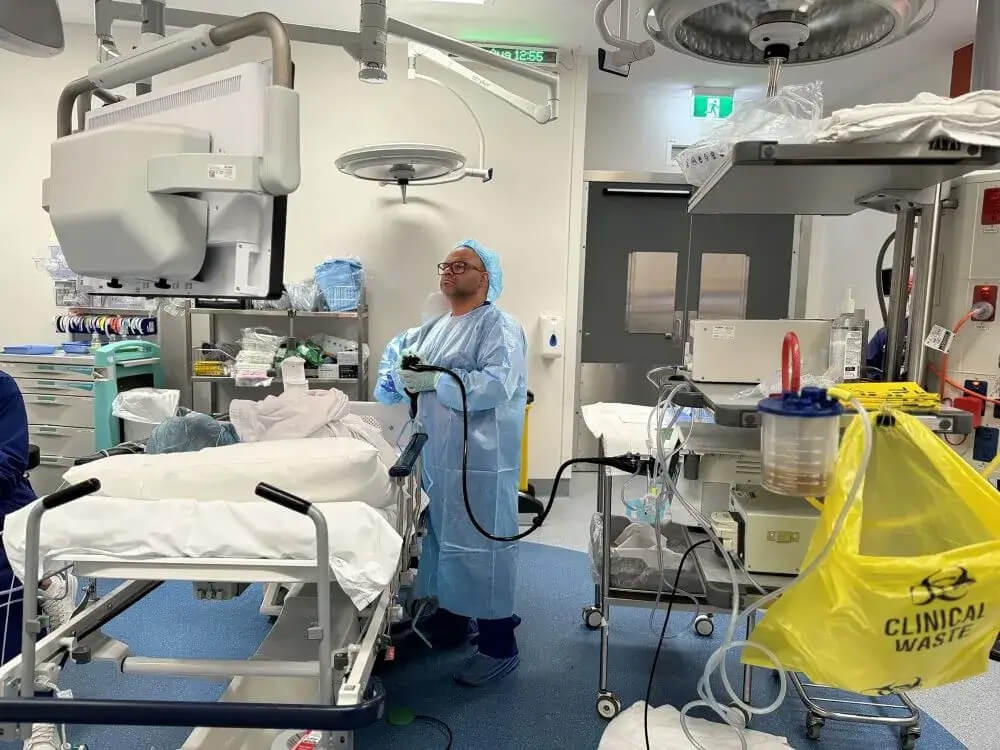
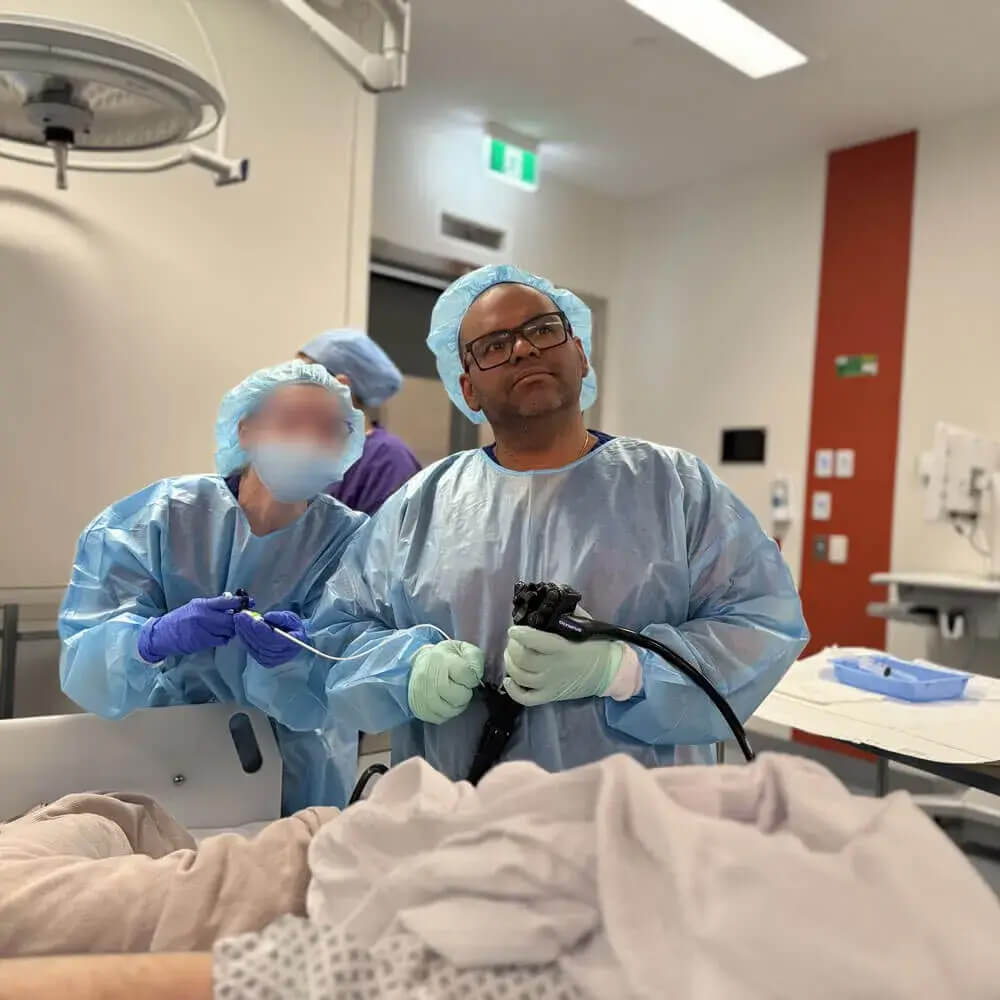
Dr Roshan Ariyaratnam, a consultant general surgeon with more than 15 years of experience in the UK and Australia, delivers both diagnostic and surgical care with compassion and precision. He has treated many patients with complex haemorrhoids and associated conditions.
Following your referral and initial consultation, his approach follows a clear process:
- Diagnosis through careful examination and, when indicated, colonoscopy to rule out other possible causes including bowel cancer.
- Treatment planning, beginning with conservative methods where possible.
- Surgical intervention, employing precise procedures that help lessen blood flow or cut off circulation to the haemorrhoids.
Following your surgery, Dr Roshan Ariyaratnam will follow up with you until you are discharged and will see you at your post-operative appointments. He will continue working with you through your recovery and will remain available for any questions you have or support you may need as you recover.
Ready to address your haemorrhoids with a caring, experienced surgeon close to home?
Your Haemorrhoid Surgery Forest Hill Questions Answered
Can haemorrhoids heal without surgery?
Mild haemorrhoids can sometimes be managed with lifestyle changes and conservative treatment. For more persistent or painful cases, procedures like rubber band ligation or haemorrhoid artery ligation may be recommended in an effort to reduce discomfort.
What is the difference between internal haemorrhoids and external haemorrhoids?
Internal haemorrhoids occur in the rectum, typically causing painless bleeding, mucous, or prolapse during bowel actions. External haemorrhoids develop under the skin surrounding the anus, often resulting in pain, swelling, itching, or lumps if a clot forms. Both stem from added pressure in the rectal and anal veins.
Are haemorrhoids the same as varicose veins?
Haemorrhoids and varicose veins share a similar cause, increased pressure leading to swollen blood vessels. While varicose veins are found in the legs, haemorrhoids occur in the rectum and anus. Both involve weakened vein walls and reduced blood flow but are addressed differently.
Where can I have haemorrhoid surgery?
Across Forest Hill and around Victoria, Dr Roshan Ariyaratnam offers consultations and performs procedures at several locations, including Knox Private Hospital, Holmesglen Private Hospital, Williamstown Specialist Centre, John Fawkner Private Hospital, Forest Hill Medical and Dental Centre, Maude Street Specialist Centre, and Better Health Medical Centre.
Do haemorrhoids lead to bowel cancer?
While haemorrhoids don’t lead to bowel cancer or heighten your risk, they can produce similar symptoms such as bleeding or difficulty passing stool. If you notice these signs or any other changes, you should consult your doctor for further investigation.
What areas do you service?
Knox Private Hospital and Forest Hill Medical and Dental Centre are easily accessible to patients in:
Why Dr Roshan Ariyaratnam?
Specialist Knowledge
Having completed advanced training, Dr Roshan Ariyaratnam performs both minimally invasive and open haemorrhoid procedures, managing a wide range of complex cases.
Rapid Access
Most patients are seen within one week of referral, with urgent cases prioritised.
Compassionate Care
With international training and membership in recognised surgical societies, Dr Roshan Ariyaratnam delivers care that is both empathetic and patient-focused.

Book Your Appointment Today
Haemorrhoids are known to cause pain, bleeding, and discomfort, but this doesn’t have to be your new normal. With the appropriate approach, many patients may experience lasting relief and be able to return to normal daily life. Book an appointment with Dr Roshan Ariyaratnam today and take the first steps towards a treatment plan tailored to your needs.