
Haemorrhoid Surgery (Haemorrhoidectomy) Glen Waverley
Understanding Haemorrhoids
Haemorrhoids are a common source of pain and discomfort for many people, and one of the conditions most often treated by general surgeons like Dr Roshan Ariyaratnam.
Haemorrhoids are part of the body’s normal structure, but problems arise when the tissue becomes inflamed, swollen, or prolapsed, causing pain, bleeding, or itching. If you experience these symptoms, it’s best to seek medical assessment.

Symptoms of Haemorrhoids
While symptoms may differ from person to person, the most common symptoms include:
- Bright red blood on the toilet paper after you wipe (typically painless bleeding)
- An itchy or irritated sensation around the anus, known as perianal itch.
- Small lumps or skin tags forming around the anus.
- Discomfort or unease while having a bowel action.
Occasionally, external haemorrhoids may become thrombosed, resulting in rapid and painful swelling that eases once the clot breaks down.
orrhoids may develop blood clotting (thrombosis), which often causes sudden and painful swelling until the clot dissolves.
Causes of Haemorrhoids
Haemorrhoids can develop due to:
- Ageing
- Long-term constipation issues
- Hormonal and physical changes during pregnancy
- Straining during bowel movements
- Lingering on the toilet for too long
- Frequent or excessive use of laxatives and enemas
While haemorrhoids themselves are not usually dangerous, they share symptoms with other conditions, such as bowel cancer. This is why if you suspect you have haemorrhoids, it’s important to seek professional care for assessment.
Treatment Options for Haemorrhoids
Initially, conservative measures, including a fibre-rich diet, proper hydration, stool softeners, and shorter toilet time, can help lessen pressure on the rectal vessels and relieve mild symptoms.
In cases where symptoms don’t improve with conservative care, minimally invasive surgical treatments can be considered. Recent advancements have made these procedures more comfortable and efficient. Options include:
- Rubber band ligation, which involves applying a small band to cut off circulation to the haemorrhoidal tissue.
- Haemorrhoid artery ligation, which aims to reduce blood flow to the affected veins
- Formal haemorrhoidectomy, a surgical procedure involving the complete removal of internal and external haemorrhoids.
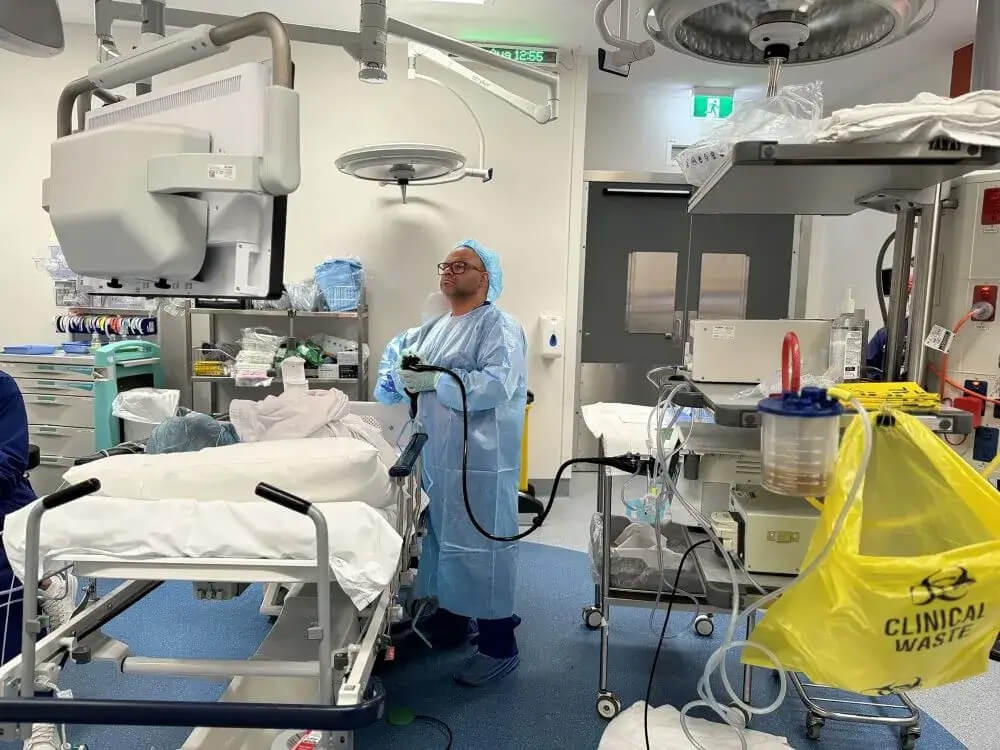
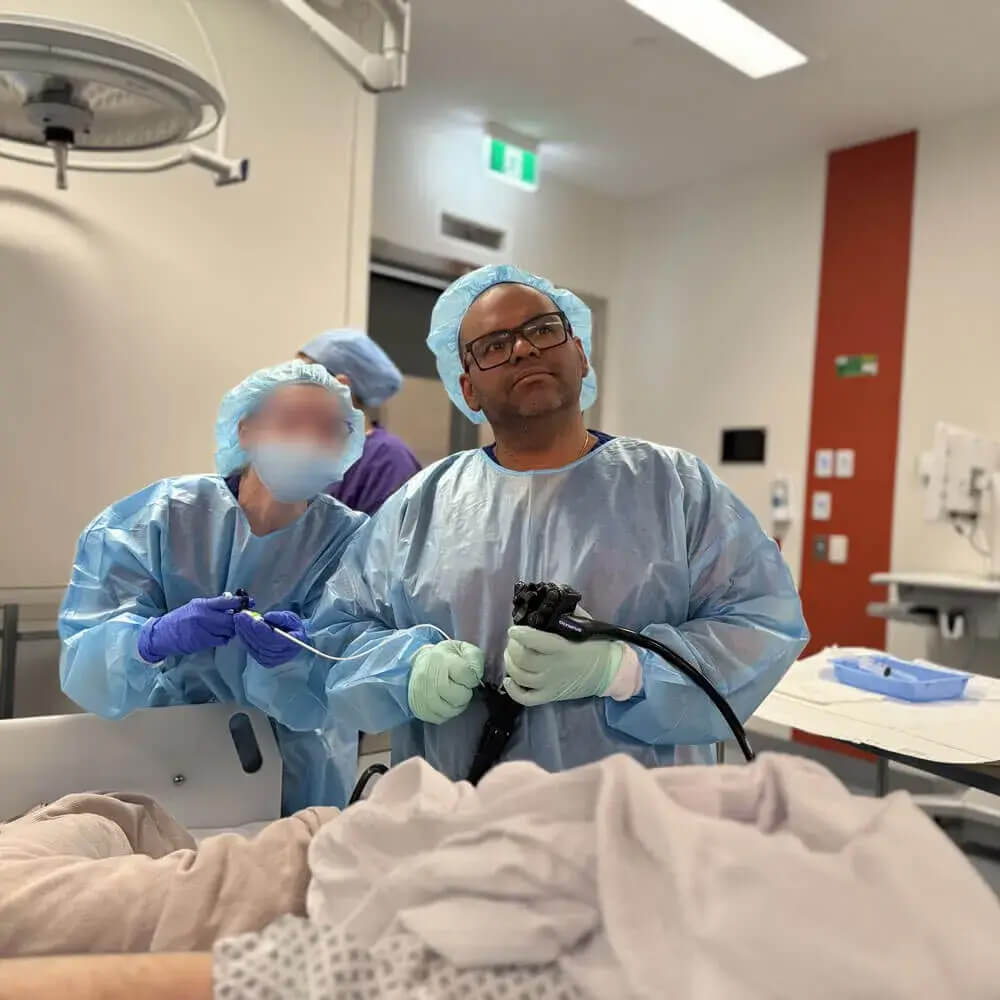
Haemorrhoid Surgery With Dr Roshan Ariyaratnam
Dr Roshan Ariyaratnam is a highly experienced consultant general surgeon offering both diagnostic and surgical care with empathy and professionalism. Having worked in the UK and Australia for more than 15 years, he has cared for numerous patients with complex haemorrhoids and similar concerns.
After your referral and first consultation, his care approach is guided by a well-defined process:
- Thorough diagnostic assessment, including examination and, when needed, colonoscopy to ensure other causes such as bowel cancer are excluded.
- Developing a treatment plan that begins with conservative approaches where suitable.
- Surgical intervention, employing precise procedures that help lessen blood flow or cut off circulation to the haemorrhoids.
After the procedure, Dr Roshan Ariyaratnam provides ongoing care until you’re discharged and seen for post-operative visits. He continues to offer support and guidance, ensuring you feel cared for throughout your recovery.
Ready to address your haemorrhoids with a caring, experienced surgeon close to home?
Your Haemorrhoid Surgery Glen Waverley Questions Answered
Can haemorrhoids heal without surgery?
Some mild haemorrhoids may respond to conservative treatment, but when symptoms persist or worsen, surgical procedures like rubber band ligation or haemorrhoid artery ligation may be needed to potentially manage pain and discomfort.
What is the difference between internal haemorrhoids and external haemorrhoids?
Internal haemorrhoids occur inside the rectum and often cause painless bleeding, mucous, or prolapse during bowel movements. External haemorrhoids form under the skin near the anus and are more likely to be painful, swollen, itchy, or create a lump, especially if a blood clot develops. Both types result from increased pressure on the rectal and anal veins.
Are haemorrhoids the same as varicose veins?
Haemorrhoids are similar to varicose veins in that they’re caused by blood vessels becoming swollen due to increased pressure. However, varicose veins typically occur in the legs, while haemorrhoids occur in the rectum and anus. Both conditions involve weakened vein walls and poor blood flow, but are addressed with different treatment options.
Where can I have haemorrhoid surgery?
Dr Roshan Ariyaratnam sees patients and carries out procedures at a range locations near Glen Waverley and around Victoria, including Knox Private Hospital, Holmesglen Private Hospital, Williamstown Specialist Centre, John Fawkner Private Hospital, Forest Hill Medical and Dental Centre, Maude Street Specialist Centre, and Better Health Medical Centre.
Do haemorrhoids lead to bowel cancer?
Haemorrhoids do not cause bowel cancer or increase your risk of it. However, they do share similar symptoms, such as rectal bleeding and difficulty with bowel movements. If you notice symptoms such as these or any other changes, you should see a doctor for investigation.
What areas do you service?
Knox Private Hospital and Forest Hill Medical and Dental Centre are easily accessible to patients in:
Why Dr Roshan Ariyaratnam?
Specialist Knowledge
Having completed advanced training, Dr Roshan Ariyaratnam performs both minimally invasive and open haemorrhoid procedures, managing a wide range of complex cases.
Rapid Access
Patients are generally seen within one week of referral, and urgent cases are prioritised.
Compassionate Care
With international training and membership in recognised surgical societies, Dr Roshan Ariyaratnam delivers care that is both empathetic and patient-focused.

Book Your Appointment Today
Haemorrhoids may lead to bleeding, pain, and irritation, but these symptoms don’t need to define your day-to-day life. With an appropriate treatment plan, many patients regain comfort and confidence. Book a consultation with Dr Roshan Ariyaratnam to take your next step toward relief.