
Gallbladder Surgery Glen Waverley (Cholecystectomy)
Gallbladder Pain
Waking up in the middle of the night with a sharp pain in your upper abdomen or a squeezing ache across your ribs can be a sign of a ‘gallbladder attack’. It’s often described as severe, prompting many to seek medical attention right away.
The gallbladder, a small pouch under the liver, stores bile, a substance that helps digest fats. When bile becomes rich in cholesterol or pigments and isn’t released properly, small crystals can form, gradually building up into gallstones.

Gallbladder Disease
This condition, called gallstone disease, is one of the most common reasons for surgery in Australia. General surgeons like Dr Roshan Ariyaratnam work with patients experiencing gallstones and other gallbladder-related conditions, like acute or chronic cholecystitis (inflamed gallbladder), biliary colic, gallstone pancreatitis, and, in rare cases, gallbladder cancer.
A timely diagnosis combined with appropriate care can help patients find lasting relief and avoid major complications.
With timely diagnosis and the most appropriate treatment, patients may be able to find long-term relief and avoid potentially serious complications.
Symptoms of Gallstones
Not all gallstones cause noticeable symptoms. Smaller stones usually don’t block the bile duct or hinder bile movement from the gallbladder to the small intestine. Once they become larger, though, they may result in symptoms like:
- Sharp or persistent pain in the abdomen
- Abdominal pain that flares up after consuming fatty foods
- Jaundice (yellowing of the eyes)
- Fever
Causes of Gallstones
A number of factors can contribute to the formation of gallstones, including:
- High cholesterol levels in the bile
- A significant drop in body weight over a short period
- Being on hormone replacement therapy
- Blood disorders passed down through families
- Eating certain fatty foods
Some people may not notice any symptoms, while others experience intense biliary pain, repeated episodes, or issues such as chronic pancreatitis or inflammation of the gallbladder.
In such situations, gallbladder surgery, also called a cholecystectomy, is often recommended to prevent further episodes and help patients resume their normal routine.
Gallbladder Surgery With Dr Roshan Ariyaratnam
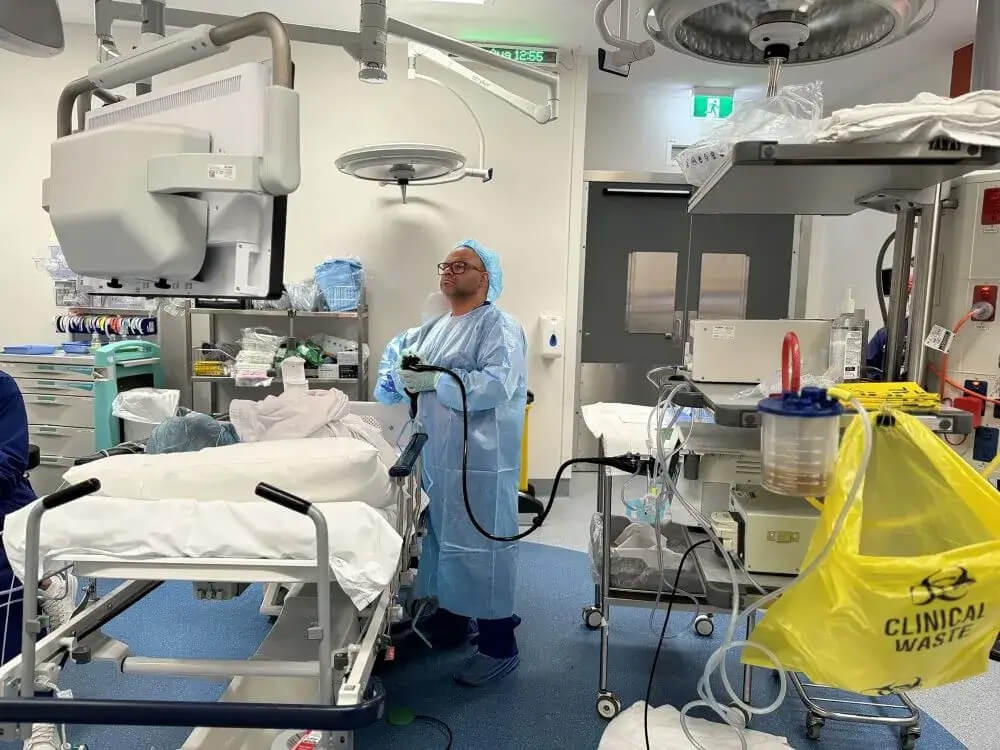
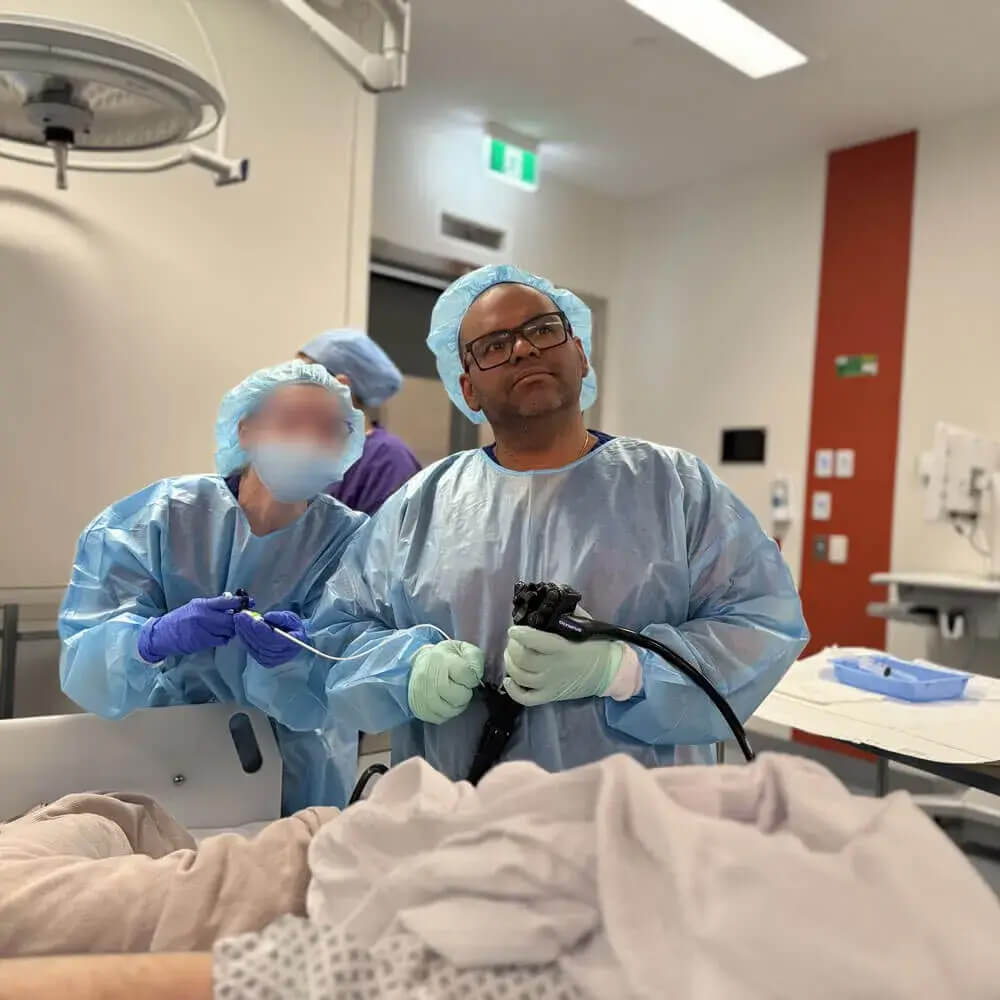
Dr Roshan Ariyaratnam is a highly experienced general surgeon who has carried out many gallbladder surgeries across Glen Waverley. He utilises advanced laparoscopic methods to support faster recovery and better outcomes for patients.
Laparoscopic surgery, or keyhole surgery, is the most minimally invasive procedure for gallbladder removal (cholecystectomy). A laparoscopic cholecystectomy involves making a few small incisions to insert surgical instruments, allowing the surgeon to remove the gallbladder with typically less post-operative pain than traditional surgery.
His approach to gallbladder surgery includes:
- Comprehensive assessment: Confirming that your initial symptoms are caused by gallstones and excluding other conditions, such as a peptic ulcer or acid reflux.
- Transparent communication: Discussing the potential risks and benefits and ensuring you understand the consent form before surgery.
- Comprehensive surgical care: Performing laparoscopic or open gallbladder surgery depending on each patient’s needs, ensuring the most suitable treatment path.
- Recovery support: Providing assistance with pain control, wound management, and dietary adjustments (including a low-fat plan) to promote a smooth return to normal activities.
Dr Roshan Ariyaratnam follows an evidence-based and patient-centred approach, prioritising safety and compassion to provide reassurance and guidance throughout treatment.
Considering laparoscopic gallbladder surgery and want guidance from a kind, knowledgeable surgeon near you?
Your Gallbladder Surgery Glen Waverley Questions Answered
What are gallstones made of?
Gallstones are hard deposits that form inside the gallbladder. They can be made of cholesterol stones (the most common type, formed when bile has too much cholesterol), pigment stones (small, dark stones caused by excess bilirubin, often linked to hereditary blood disorders), or mixed stones (a combination of cholesterol and salts). These stones may range in size from as small as a grain of sand to several centimetres in diameter.
How many people have gallbladder diseases?
Because many people with gallstones don’t experience any symptoms, it’s difficult to know the exact figures. Still, estimates suggest around 15% of Australians over the age of 50 are affected.
What are the risks of gallbladder surgery?
Every surgical procedure carries some risks, though complications are rare. These may include bleeding, infection, bile duct injury, blood clots, or mild bruising and oozing near the incision area. Dr Roshan Ariyaratnam will explain these possibilities in detail before your operation.
What happens after my gallbladder is removed?
After gallbladder removal, patients typically go home within a day. Some may have mild diarrhoea or softer stools while the body adjusts to the constant bile flow, though this tends to settle. A low-fat diet is encouraged early on, with a gradual transition back to normal meals.
What is a bile duct, and what is its role in the gallbladder?
The bile duct carries bile from both the liver and gallbladder into the small intestine, assisting in the digestion of fats. The main duct, called the common bile duct, collects bile from smaller ducts before it reaches the intestine. Surgeons carefully examine these ducts during gallbladder surgery to confirm they’re clear of stones that could cause pain or infection.
Do I need a gallbladder if it's causing issues?
The gallbladder’s main role is to store bile, but it isn’t necessary for normal digestion. After removal, bile flows continuously into the small intestine. Most people adapt well without lasting dietary problems, though a lower-fat diet can ease recovery. Some may notice temporary loose stools, especially after caffeine or fatty foods, but these symptoms generally fade over time.
However, it’s important not to let potential issues like these deter you. If you have gallstones or another condition that affects your gallbladder, undergoing laparoscopic gallbladder surgery is typically the most appropriate option, as leaving it in may lead to further complications.
What areas do you service?
Knox Private Hospital and Forest Hill Medical and Dental Centre are easily accessible to patients in:
Why Dr Roshan Ariyaratnam?
Experience in Minimally Invasive Laparoscopic Surgery
Dr Roshan Ariyaratnam is skilled in laparoscopic gallbladder surgery, aiming to provide patients with less postoperative pain and faster recovery.
Comprehensive, Local Care
Dr Roshan Ariyaratnam provides end-to-end care, from diagnosis through to recovery, all conveniently close to home, with open communication throughout.
Patient-Centred Approach
With more than 15 years of experience in surgery, Dr Roshan Ariyaratnam provides care for patients experiencing bile duct and gallbladder problems.

Aiming to Help You Sleep Through the Night Without Pain
If you’re suffering from gallstones, biliary colic, or recurrent abdominal pain, help may be closer than you think. Laparoscopic gallbladder surgery may be the most appropriate way to prevent further attacks and complications, potentially helping you get back to daily life without pain.
Book a consultation with Dr Roshan Ariyaratnam today to discuss your symptoms and find out whether laparoscopic gallbladder surgery may be right for you. Whether you need urgent care for an inflamed gallbladder or are considering your options for managing gallbladder disease, Dr Roshan Ariyaratnam will work with you to provide a personalised treatment plan.