
Gallbladder Removal Surgery Mitcham (Cholecystectomy)
Gallbladder Pain
Have you ever been jolted awake by pain in the upper right of your stomach, or a tight, squeezing feeling near your ribs? This could be what’s known as a ‘gallbladder attack’, a condition that can be quite uncomfortable and may require a visit to the emergency department.
The gallbladder, a small pouch under the liver, stores bile, a substance that helps digest fats. When bile becomes rich in cholesterol or pigments and isn’t released properly, small crystals can form, gradually building up into gallstones.

Gallbladder Disease
Gallstone disease is one of the most common surgical conditions in Australia. General surgeons like Dr Roshan Ariyaratnam treat patients with gallstones and other gallbladder conditions such as acute or chronic cholecystitis, biliary colic, gallstone pancreatitis, and, though rare, gallbladder cancer.
With timely diagnosis and the most appropriate treatment, patients may be able to find long-term relief and avoid potentially serious complications.
With timely diagnosis and the most appropriate treatment, patients may be able to find long-term relief and avoid potentially serious complications.
Symptoms of Gallstones
Not all gallstones cause noticeable symptoms. Smaller stones usually don’t block the bile duct or hinder bile movement from the gallbladder to the small intestine. Once they become larger, though, they may result in symptoms like:
- Strong pain or discomfort in the abdominal area
- Pain that occurs after eating a fatty meal
- Yellow discolouration of the eyes, known as jaundice
- Fever that may accompany pain or infection
Causes of Gallstones
Gallstones may develop due to various factors such as:
- High cholesterol levels in the bile
- Losing weight too quickly
- Undergoing hormone replacement therapy
- Hereditary blood disorders
- Regularly eating rich or fatty foods
Although some individuals remain symptom-free, others may encounter severe biliary discomfort, ongoing attacks, or related complications such as inflammation of the gallbladder or chronic pancreatitis.
When symptoms become severe or persistent, the usual treatment is gallbladder removal surgery, known as a cholecystectomy. This procedure helps stop recurring attacks and supports a return to everyday activities.
Gallbladder Surgery With Dr Roshan Ariyaratnam
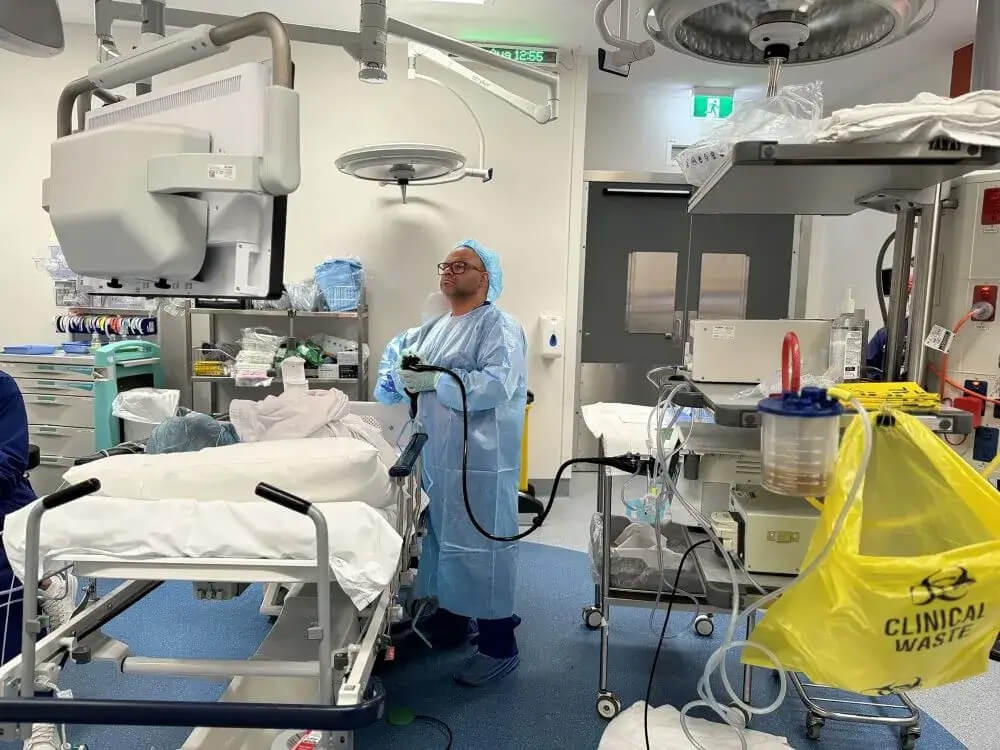
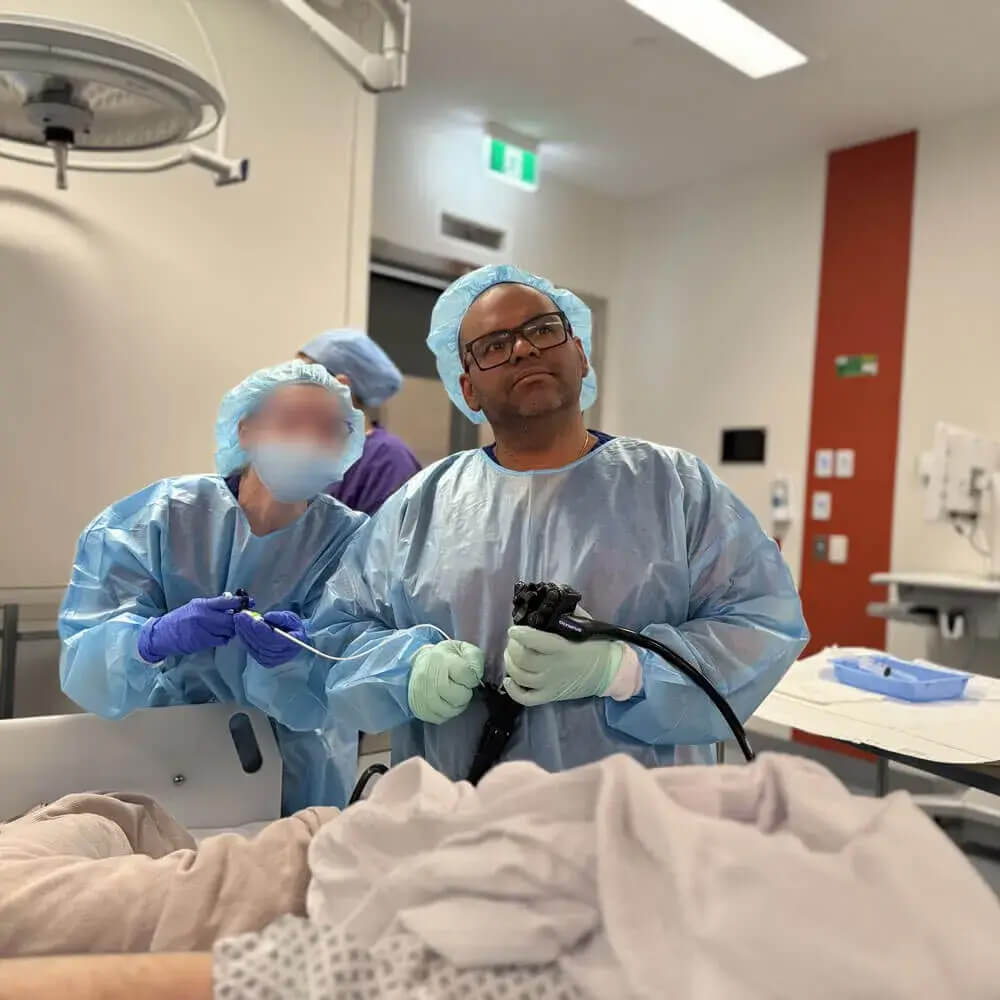
As an experienced general surgeon, Dr Roshan Ariyaratnam has performed numerous gallbladder surgeries near Mitcham. He uses the latest laparoscopic surgical techniques in an effort to minimise recovery time and improve patient outcomes.
Also known as keyhole surgery, laparoscopic surgery is a minimally invasive way to remove the gallbladder. During a laparoscopic cholecystectomy, several small cuts are made to insert instruments, enabling the gallbladder to be removed with generally less pain and faster recovery than open surgery.
The approach taken by Dr Roshan Ariyaratnam focuses on:
- Comprehensive assessment: Confirming that your initial symptoms are caused by gallstones and excluding other conditions, such as a peptic ulcer or acid reflux.
- Clear and open discussion: Going over the benefits, risks, and surgical consent form with you before your procedure.
- Modern surgical care: Providing laparoscopic gallbladder removal and, when necessary, open surgery to choose the best approach for every patient.
- Post-surgery care: Offering guidance on pain relief, wound healing, and diet (such as reducing fat intake) to ensure a comfortable and steady recovery.
Dr Roshan Ariyaratnam follows an evidence-based and patient-centred approach, prioritising safety and compassion to provide reassurance and guidance throughout treatment.
Ready to enquire about laparoscopic gallbladder surgery with a compassionate, experienced, local surgeon?
Your Gallbladder Surgery Mitcham Questions Answered
What are gallstones made of?
Gallstones are solid formations that develop within the gallbladder. They may consist of cholesterol stones (the most frequent kind, created when bile contains excess cholesterol), pigment stones (dark stones formed from too much bilirubin, often associated with inherited blood conditions), or mixed stones (a blend of cholesterol and salts). Their size can vary from tiny grains of sand to several centimetres across.
How many people have gallbladder diseases?
Because many people with gallstones don’t experience any symptoms, it’s difficult to know the exact figures. Still, estimates suggest around 15% of Australians over the age of 50 are affected.
What are the risks of gallbladder surgery?
While surgery is generally safe, it’s important to be aware of potential risks. Uncommon complications can include infection, bleeding, blood clots, bile duct injury, or minor bruising and discharge at the incision sites. Dr Roshan Ariyaratnam will go through all potential risks with you beforehand.
What happens after my gallbladder is removed?
Following gallbladder surgery, many patients leave the hospital the same day or the next. Temporary loose stools or mild diarrhoea can occur as bile flows more freely into the intestine, but this usually resolves. It’s advised to eat a low-fat diet initially, then slowly reintroduce regular foods.
What is a bile duct, and what is its role in the gallbladder?
Bile ducts transport bile from the liver and gallbladder to the small intestine to aid fat digestion. The common bile duct connects the smaller ducts into one main channel before bile flows into the intestine. During surgery, doctors check these ducts closely to make sure no stones are blocking them, which could lead to discomfort, infection, or jaundice.
Do I need a gallbladder if it's causing issues?
The gallbladder isn’t vital for digestion, and the body can operate well without it. It serves mainly as a storage pouch for bile, which, after removal, flows straight into the small intestine. Most people experience little to no lasting dietary changes, though reducing fatty foods can ease discomfort during recovery. Occasionally, loose stools may occur after eating rich foods or caffeine, but this usually settles quickly.
Even though minor issues may occur, it’s important not to be discouraged. If you’re experiencing gallstones or another gallbladder condition, laparoscopic removal is generally the safest and most suitable treatment to prevent future problems.
What areas do you service?
Knox Private Hospital and Forest Hill Medical and Dental Centre are easily accessible to patients in:
Why Dr Roshan Ariyaratnam?
Experience in Minimally Invasive Laparoscopic Surgery
With extensive experience in laparoscopic gallbladder surgery, Dr Roshan Ariyaratnam focuses on achieving a smoother recovery and minimising post-surgery pain for patients.
Comprehensive, Local Care
Dr Roshan Ariyaratnam provides end-to-end care, from diagnosis through to recovery, all conveniently close to home, with open communication throughout.
Patient-Centred Approach
Drawing on more than 15 years of surgical experience, Dr Roshan Ariyaratnam supports patients dealing with gallbladder and bile duct conditions.

Aiming to Help You Sleep Through the Night Without Pain
For those experiencing gallstones, biliary colic, or repeated abdominal pain, relief could be within reach. Laparoscopic gallbladder surgery often provides a way to avoid future problems and enjoy daily life without persistent pain.
Book an appointment with Dr Roshan Ariyaratnam to assess your symptoms and discuss whether laparoscopic gallbladder surgery is the most appropriate next step. If you require urgent attention for gallbladder inflammation or want guidance on long-term management, you’ll receive an individualised care plan.