
Gallbladder Removal Surgery Wantirna (Cholecystectomy)
Gallbladder Pain
Have you ever been jolted awake by pain in the upper right of your stomach, or a tight, squeezing feeling near your ribs? This could be what’s known as a ‘gallbladder attack’, a condition that can be quite uncomfortable and may require a visit to the emergency department.
The gallbladder is a small organ in the abdomen that stores bile, a digestive fluid released into the small intestine to help break down fats. When bile becomes concentrated with cholesterol or pigments, the gallbladder doesn’t empty properly. This may cause small crystals to develop and gradually grow into gallstones.

Gallbladder Disease
This condition, called gallstone disease, is one of the most common reasons for surgery in Australia. General surgeons like Dr Roshan Ariyaratnam work with patients experiencing gallstones and other gallbladder-related conditions, like acute or chronic cholecystitis (inflamed gallbladder), biliary colic, gallstone pancreatitis, and, in rare cases, gallbladder cancer.
A timely diagnosis combined with appropriate care can help patients find lasting relief and avoid major complications.
With timely diagnosis and the most appropriate treatment, patients may be able to find long-term relief and avoid potentially serious complications.
Symptoms of Gallstones
In some cases, gallstones cause no symptoms. This is because if the stones are small enough, they don’t block the bile duct or interfere with the flow of bile from the gallbladder to the small intestine. However, if gallstones are large enough to cause symptoms, they may lead to:
- Sharp or persistent pain in the abdomen
- Pain that appears soon after eating oily or high-fat meals
- Jaundice, a yellow tint in the eyes or skin
- Fever
Causes of Gallstones
Gallstones can develop for a range of reasons, such as:
- Too much cholesterol in the bile
- Rapid weight loss
- Taking hormone replacement therapy (HRT)
- Hereditary blood disorders
- Eating certain fatty foods
Some people may not notice any symptoms, while others experience intense biliary pain, repeated episodes, or issues such as chronic pancreatitis or inflammation of the gallbladder.
In such situations, gallbladder surgery, also called a cholecystectomy, is often recommended to prevent further episodes and help patients resume their normal routine.
Gallbladder Surgery With Dr Roshan Ariyaratnam
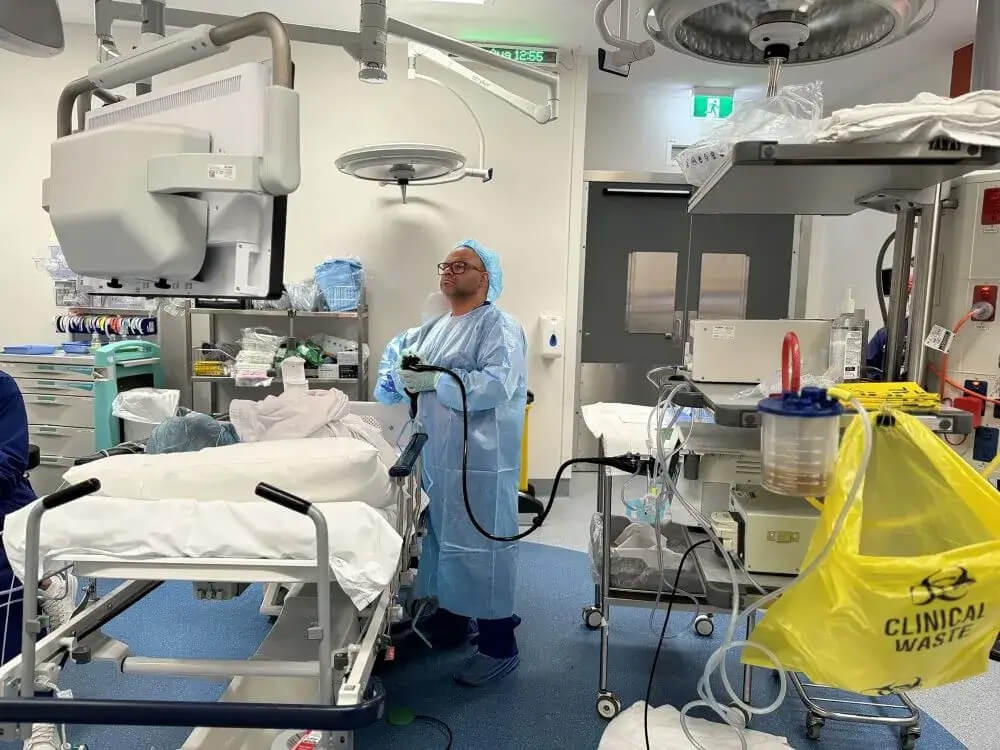
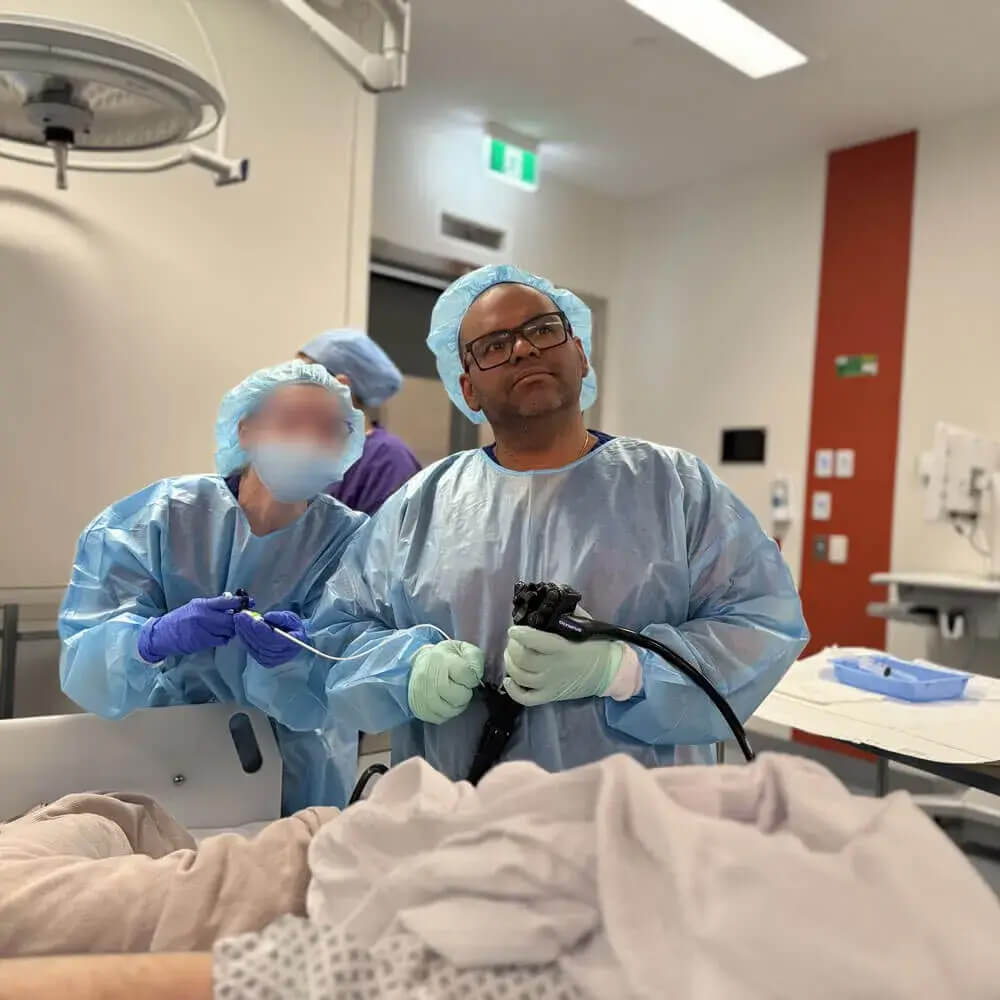
Dr Roshan Ariyaratnam has considerable experience performing gallbladder surgeries across Wantirna, applying the latest laparoscopic approaches that aim to help shorten recovery periods and optimise outcomes.
Laparoscopic, or keyhole, surgery is the least invasive technique for gallbladder removal. This approach requires only small incisions through which the surgeon operates, often resulting in less discomfort and quicker recovery compared to traditional procedures.
His approach to gallbladder surgery includes:
- Detailed evaluation: Ensuring your symptoms are linked to gallstones while excluding other potential causes such as reflux or ulcers.
- Clear communication: Reviewing risks, benefits, and providing a complete surgery consent form before your operation.
- Advanced care: Delivering laparoscopic and, when needed, open gallbladder procedures to provide the most appropriate solution for each individual.
- Post-operative support: Managing post-operative pain, wound care, and dietary guidance (such as a low-fat diet) to help you return to everyday life as quickly and smoothly as possible.
Grounded in evidence-based medicine and compassionate care, Dr Roshan Ariyaratnam is committed to keeping patients safe, informed, and supported during their treatment journey.
Considering laparoscopic gallbladder surgery and want guidance from a kind, knowledgeable surgeon near you?
Your Gallbladder Surgery Wantirna Questions Answered
What are gallstones made of?
Gallstones are solid particles that form in the gallbladder, made up of cholesterol, pigments, or a mix of both. Cholesterol stones are the most common, forming when bile contains excess cholesterol; pigment stones result from too much bilirubin, often due to genetic blood conditions; and mixed stones combine cholesterol and salts. They can be as small as sand grains or several centimetres in size.
How many people have gallbladder diseases?
Since gallstones often cause no symptoms, determining exact numbers can be challenging. It’s believed that roughly 15% of Australians aged over 50 have them.
What are the risks of gallbladder surgery?
As with any operation, there are possible risks to consider. Though uncommon, complications may involve infection, bleeding, bile duct injury, blood clots, or slight bruising and oozing near the incision area. Dr Roshan Ariyaratnam will outline these risks with you before proceeding.
What happens after my gallbladder is removed?
Following gallbladder surgery, many patients leave the hospital the same day or the next. Temporary loose stools or mild diarrhoea can occur as bile flows more freely into the intestine, but this usually resolves. It’s advised to eat a low-fat diet initially, then slowly reintroduce regular foods.
What is a bile duct, and what is its role in the gallbladder?
Bile flows through a network of ducts from the liver and gallbladder into the small intestine to break down fats. The common bile duct serves as the main channel connecting the smaller ducts. During gallbladder surgery, surgeons inspect the ducts to ensure they’re not blocked by gallstones, which can lead to pain, infection, or jaundice.
Do I need a gallbladder if it's causing issues?
The gallbladder isn’t an essential organ, and people may function without it. The gallbladder stores bile, but without it, bile acids enter the small intestine directly. Most patients have no long-term dietary issues, although limiting fatty foods may reduce biliary pain or discomfort during recovery. Some people develop frequent loose stools after gallbladder surgery, particularly after having caffeine or fatty food. If this occurs, it tends to resolve soon afterwards.
That said, you shouldn’t let possible short-term effects discourage you. For those with gallstones or other gallbladder problems, laparoscopic surgery is often the best approach, as delaying treatment can increase the risk of complications.
What areas do you service?
Knox Private Hospital and Forest Hill Medical and Dental Centre are easily accessible to patients in:
Why Dr Roshan Ariyaratnam?
Experience in Minimally Invasive Laparoscopic Surgery
With extensive experience in laparoscopic gallbladder surgery, Dr Roshan Ariyaratnam focuses on achieving a smoother recovery and minimising post-surgery pain for patients.
Comprehensive, Local Care
With every stage of your care, from diagnosis to recovery, managed locally, Dr Roshan Ariyaratnam delivers comprehensive support and clear guidance throughout the process.
Patient-Centred Approach
With more than 15 years of experience in surgery, Dr Roshan Ariyaratnam provides care for patients experiencing bile duct and gallbladder problems.

Aiming to Help You Sleep Through the Night Without Pain
For those experiencing gallstones, biliary colic, or repeated abdominal pain, relief could be within reach. Laparoscopic gallbladder surgery often provides a way to avoid future problems and enjoy daily life without persistent pain.
Book a consultation with Dr Roshan Ariyaratnam today to discuss your symptoms and find out whether laparoscopic gallbladder surgery may be right for you. Whether you need urgent care for an inflamed gallbladder or are considering your options for managing gallbladder disease, Dr Roshan Ariyaratnam will work with you to provide a personalised treatment plan.