
Gallbladder Surgery Melton South (Cholecystectomy)
Gallbladder Pain
Have you ever woken up in the middle of the night with a pain in the upper right of your abdomen? Or a pain that squeezes you around the top of your ribs? This may be what people refer to as a ‘gallbladder attack’, and it’s known to be quite painful, with many people turning to the emergency room for help.
Your gallbladder is a tiny organ that holds bile, a digestive fluid sent into the small intestine to process fats. When the bile becomes overly concentrated or the gallbladder doesn’t empty properly, crystals may start to form and eventually turn into gallstones.

Gallbladder Disease
This condition, called gallstone disease, is one of the most common reasons for surgery in Australia. General surgeons like Dr Roshan Ariyaratnam work with patients experiencing gallstones and other gallbladder-related conditions, like acute or chronic cholecystitis (inflamed gallbladder), biliary colic, gallstone pancreatitis, and, in rare cases, gallbladder cancer.
With timely diagnosis and the most appropriate treatment, patients may be able to find long-term relief and avoid potentially serious complications.
With timely diagnosis and the most appropriate treatment, patients may be able to find long-term relief and avoid potentially serious complications.
Symptoms of Gallstones
In some cases, gallstones cause no symptoms. This is because if the stones are small enough, they don’t block the bile duct or interfere with the flow of bile from the gallbladder to the small intestine. However, if gallstones are large enough to cause symptoms, they may lead to:
- Strong pain or discomfort in the abdominal area
- Pain that appears soon after eating oily or high-fat meals
- Jaundice (yellowing of the eyes)
- Elevated body temperature (fever)
Causes of Gallstones
A number of factors can contribute to the formation of gallstones, including:
- When bile contains more cholesterol than it can dissolve
- Losing weight too quickly
- Taking hormone replacement therapy (HRT)
- Inherited blood conditions
- Regularly eating rich or fatty foods
While some people never experience symptoms, others develop severe biliary pain (also known as biliary colic), recurrent attacks, or complications like chronic pancreatitis or an inflamed gallbladder.
The typical approach in these cases is gallbladder removal surgery (cholecystectomy), which is performed to stop future attacks and help patients get back to daily life.
Gallbladder Surgery With Dr Roshan Ariyaratnam
With extensive experience in general surgery, Dr Roshan Ariyaratnam has completed many gallbladder procedures throughout Melton South, using modern laparoscopic techniques that aim to reduce recovery time and enhance patient results.
Laparoscopic, or keyhole, surgery is the least invasive technique for gallbladder removal. This approach requires only small incisions through which the surgeon operates, often resulting in less discomfort and quicker recovery compared to traditional procedures.
His approach to gallbladder surgery includes:
- Thorough assessment: Identifying whether gallstones are responsible for your symptoms and ruling out other possible issues like acid reflux or peptic ulcers.
- Transparent communication: Discussing the potential risks and benefits and ensuring you understand the consent form before surgery.
- Advanced care: Delivering laparoscopic and, when needed, open gallbladder procedures to provide the most appropriate solution for each individual.
- Recovery support: Providing assistance with pain control, wound management, and dietary adjustments (including a low-fat plan) to promote a smooth return to normal activities.
Dr Roshan Ariyaratnam follows an evidence-based and patient-centred approach, prioritising safety and compassion to provide reassurance and guidance throughout treatment.
Looking to learn more about laparoscopic gallbladder surgery from a supportive and experienced local surgeon?
Your Gallbladder Surgery Melton South Questions Answered
What are gallstones made of?
Gallstones are solid particles that form in the gallbladder, made up of cholesterol, pigments, or a mix of both. Cholesterol stones are the most common, forming when bile contains excess cholesterol; pigment stones result from too much bilirubin, often due to genetic blood conditions; and mixed stones combine cholesterol and salts. They can be as small as sand grains or several centimetres in size.
How many people have gallbladder diseases?
Because many people with gallstones don’t experience any symptoms, it’s difficult to know the exact figures. Still, estimates suggest around 15% of Australians over the age of 50 are affected.
What are the risks of gallbladder surgery?
As with any operation, there are possible risks to consider. Though uncommon, complications may involve infection, bleeding, bile duct injury, blood clots, or slight bruising and oozing near the incision area. Dr Roshan Ariyaratnam will outline these risks with you before proceeding.
What happens after my gallbladder is removed?
Most people are able to go home within 24 hours of gallbladder removal. A few may notice mild diarrhoea or loose bowel movements due to bile flowing directly into the intestine, but this generally improves over time. A low-fat diet is recommended at first, with a gradual return to normal eating habits.
What is a bile duct, and what is its role in the gallbladder?
Bile ducts transport bile from the liver and gallbladder to the small intestine to aid fat digestion. The common bile duct connects the smaller ducts into one main channel before bile flows into the intestine. During surgery, doctors check these ducts closely to make sure no stones are blocking them, which could lead to discomfort, infection, or jaundice.
Do I need a gallbladder if it's causing issues?
The gallbladder’s main role is to store bile, but it isn’t necessary for normal digestion. After removal, bile flows continuously into the small intestine. Most people adapt well without lasting dietary problems, though a lower-fat diet can ease recovery. Some may notice temporary loose stools, especially after caffeine or fatty foods, but these symptoms generally fade over time.
However, it’s important not to let potential issues like these deter you. If you have gallstones or another condition that affects your gallbladder, undergoing laparoscopic gallbladder surgery is typically the most appropriate option, as leaving it in may lead to further complications.
What areas do you service?
Vineyard Specialist Centre is easily accessible to patients in:
Why Dr Roshan Ariyaratnam?
Experience in Minimally Invasive Laparoscopic Surgery
Dr Roshan Ariyaratnam is skilled in laparoscopic gallbladder surgery, aiming to provide patients with less postoperative pain and faster recovery.
Comprehensive, Local Care
With every stage of your care, from diagnosis to recovery, managed locally, Dr Roshan Ariyaratnam delivers comprehensive support and clear guidance throughout the process.
Patient-Centred Approach
Drawing on more than 15 years of surgical experience, Dr Roshan Ariyaratnam supports patients dealing with gallbladder and bile duct conditions.

Our Location near Melton South
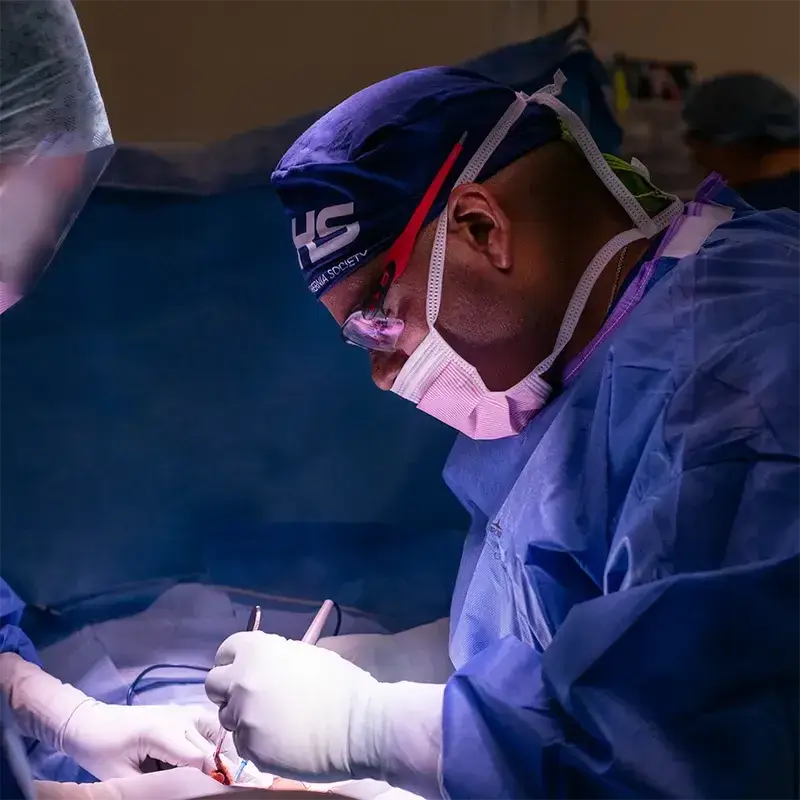
Aiming to Help You Sleep Through the Night Without Pain
If you’re suffering from gallstones, biliary colic, or recurrent abdominal pain, help may be closer than you think. Laparoscopic gallbladder surgery may be the most appropriate way to prevent further attacks and complications, potentially helping you get back to daily life without pain.
Arrange an appointment with Dr Roshan Ariyaratnam to talk through your symptoms and determine if laparoscopic gallbladder surgery is suitable for you. Whether you’re dealing with an inflamed gallbladder or exploring treatment options for gallbladder disease, he will develop a tailored plan for your needs.