
Lipoma Removal Melbourne & Regional Victoria
Lipoma assessment and removal with your comfort in mind.
Not Every Skin Lump is Just a Lump
Discovering a lump beneath your skin can be concerning, even when it’s painless. While many soft tissue lumps and skin lesions are harmless lipomas, it’s important to have any new, growing, or unusual lumps properly assessed to confirm a diagnosis and rule out more serious conditions.
Lipomas are among the most common benign soft tissue growths and rarely pose a threat to your health. However, they can become uncomfortable, continue to grow, interfere with movement, or cause cosmetic concerns.
As a general surgeon, Dr Roshan Ariyaratnam provides comprehensive assessment and surgical removal of lipomas for patients across Melbourne and regional Victoria. He aims to help patients achieve both reassurance and relief.
What Are Lipomas?
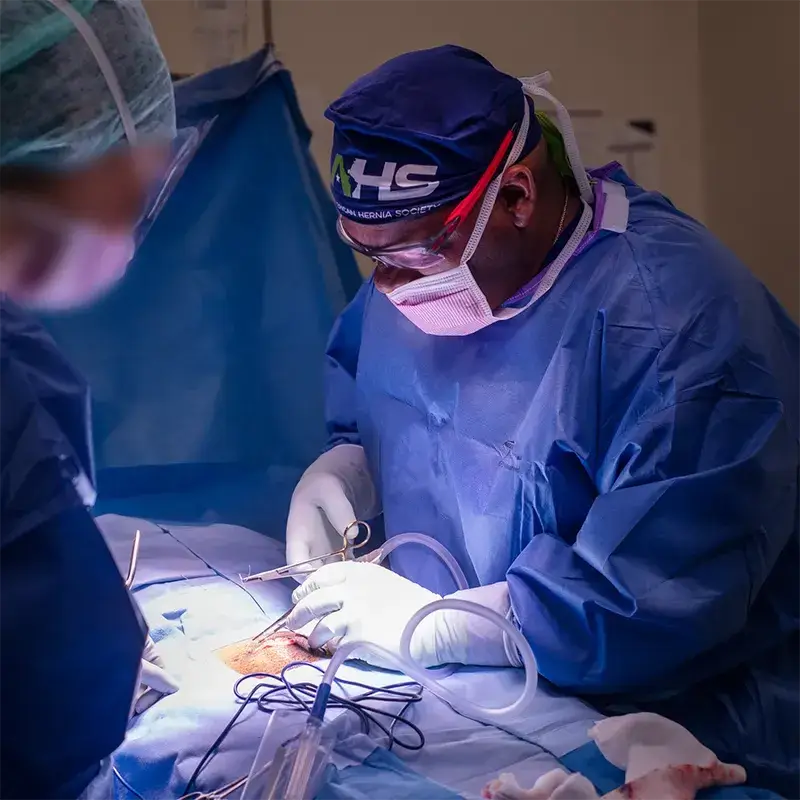
A lipoma is a non-cancerous soft tissue growth of fat cells that occurs just under the skin. They usually appear as soft, small lumps. While they can occur anywhere in the body, they’re most commonly found on the shoulders, neck, chest, arms, and back.
They’re typically diagnosed by their appearance and how they feel when pressed. They tend to be smooth, soft, and rubbery, sometimes moving around under the skin. In some cases, an ultrasound, MRI, or CT, and biopsy are required to rule out liposarcoma (cancer of fat tissue).
Symptoms of Lipomas
Lipomas are typically small in size (about 1 to 3cm) and grow very slowly. While pain and other symptoms are rare, they may cause discomfort and cosmetic concerns.
Symptoms that may be experienced include:
- Pain
- Tenderness
- Enlargement
- Cosmetic concerns
- Discomfort
- Pressure symptoms depending on location
If these abnormal growths develop deeper inside the body, they may press on nearby organs, nerves or other structures and cause related symptoms.
Causes of Lipomas
Lipomas are very common, affecting around 1 in every 1,000 people. While they can occur at any age, they’re most common in people between 40 and 60. Sometimes they’re even present from birth.
While the exact cause of these growths is unknown, certain factors and conditions increase your risk of developing one. These include:
- Being triggered by a minor injury
- Dercum’s Disease (also known as Anders’ syndrome or adiposis dolorosa)
- Gardner Syndrome
- Hereditary Multiple Lipomatosis (also known as Familial Multiple Lipomatosis)
If someone in your family has a lipoma, you’re more likely to develop one as well.
Hoping to remove a bothersome lipoma and regain peace of mind?

Lipoma Removal Surgery With Dr Roshan Ariyaratnam
Although lipomas are benign (non-cancerous) and don’t always require treatment, surgical removal may be recommended if they become painful, continue to grow, restrict movement, become infected, or cause cosmetic concerns.

Before Surgery
Your treatment begins with a thorough consultation, during which Dr Roshan Ariyaratnam will assess the lump, review any imaging or biopsy results, and determine whether surgical removal may be the most appropriate option. In some cases, additional investigations may be recommended to confirm the diagnosis before treatment proceeds.
During Surgery
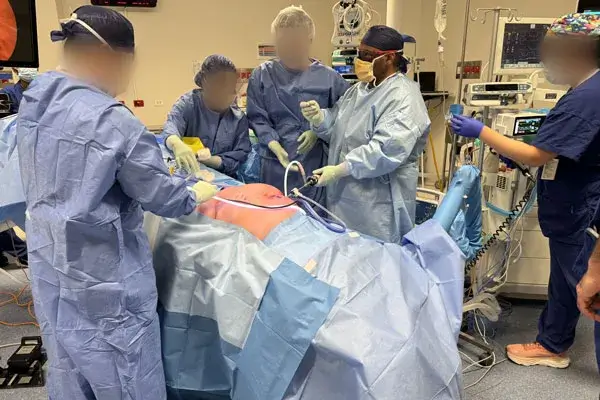
Most lipoma procedures are performed as day procedures with minimal scarring. Depending on the size, location, and depth of the lipoma, surgery may be carried out under general or local anaesthesia. During the procedure, a small incision is made to access and completely remove the fatty tissue growth while minimising disruption to the surrounding structures.

After Surgery
Once the surgical excision is complete, the incision is closed with sutures and covered with a dressing. Patients can usually return home the same day and resume most normal activities within a short period, although recovery times vary with the complexity of the procedure.
Your Lipoma Removal Questions Answered
How do I know if my lump is a lipoma?
Lipomas are usually soft, smooth, and move slightly beneath the skin when touched. Other conditions, however, may appear similarly (including cysts and, in rare cases, soft tissue cancers). An assessment by an experienced surgeon, along with imaging in some cases, may help confirm a diagnosis.
Could my lump be something else?
Yes. While many soft, mobile lumps beneath the skin are lipomas, other conditions can appear similar. These may include a sebaceous cyst, epidermoid cyst, enlarged lymph node, fibroma, or another type of soft tissue tumour. This is why a clinical assessment is important before deciding whether removal is appropriate. In some cases, imaging or pathology testing may be recommended to help confirm the diagnosis.
Are there any potential complications of lipoma removal?
While lipoma surgery is generally a safe procedure, some complications may arise if they’re large and/or deep inside the tissue. These complications may include bruising, infection, and injury to blood vessels, nerves, or muscles.
How long does recovery take?
Most patients can return to normal daily activities within a few days, although strenuous exercise and heavy lifting may need to be avoided for a short period. Recovery time will depend on the size and location of the lipoma, as well as the extent of the procedure.
What sort of post-operative care should I expect?
There are several things you should do to aid in wound healing. The incision site should be kept clean and dry; don’t wear clothing that may rub on the site; avoid shaving if the lipoma is in a hairy area; and avoid makeup if the growth is on the face. If there is pain, redness, swelling, persistent bleeding or discharge, contact Dr Roshan Ariyaratnam’s rooms immediately.
Can lipomas return after removal?
Recurrence is rare but not impossible, especially if some tissue remains.
Will my lipoma be tested after it’s removed?
In many cases, the removed tissue is sent for pathological examination just to be on the safe side. This helps to confirm your diagnosis and provides additional reassurance that the growth is benign.
Why Dr Roshan Ariyaratnam?
FRACS-Qualified General Surgeon
Dr Roshan Ariyaratnam is a FRACS-qualified general surgeon with experience assessing and treating lipomas and a wide range of soft tissue lumps. His surgical care is guided by careful assessment, clear communication, and treatment planning based on each patient’s circumstances.
Assessment of Soft Tissue Lumps
Not every lump is a lipoma. Dr Roshan provides thorough assessment of all types of soft tissue lumps, helping to confirm the nature of the growth before discussing suitable management or removal options.
Patient-Centred Care
From your initial consultation through to recovery, you’ll receive clear communication, honest advice, and a treatment plan designed around your individual circumstances and goals.
Multiple Melbourne Locations
Patients can access consultations across multiple Melbourne locations, making it easier to arrange an appointment at a clinic that is convenient for them.
Private Hospital and Day Surgery Care
Where removal is appropriate, Dr Roshan operates in private hospital and day surgery settings. This allows treatment to be planned in an environment suited to the size, location, and complexity of the lump.
Access for Regional Victoria Patients
Dr Roshan also supports patients from regional Victoria who require assessment or surgical care for lipomas and other soft tissue lumps, with consultation and treatment pathways available through his Melbourne practice locations.
Our Clinic Locations
Lipoma Assessment in Melbourne and Regional Victoria
While lipomas are usually harmless, they can sometimes cause discomfort, continue to grow, or create cosmetic concerns that impact your quality of life. Seeking assessment may provide reassurance, confirm the diagnosis, and help you understand whether treatment is appropriate.
Dr Roshan Ariyaratnam provides comprehensive lipoma assessment and surgical removal for patients throughout Melbourne and regional Victoria. If you have a fatty lump you’d like assessed or are considering lipoma removal, book a consultation today.