
Pilonidal Sinus Surgery Melbourne and Regional Victoria
Addressing pilonidal disease with considered surgical care.
When Pilonidal Disease Becomes Problematic
Chronic skin infections in delicate areas can be uncomfortable and, at times, distressing. Pilonidal disease is one such condition that may cause persistent and even painful symptoms.
In these cases, pilonidal sinus surgery may be recommended. As your local general surgeon in Melbourne, Dr Roshan Ariyaratnam is here to offer assessments and guidance on appropriate treatment options.
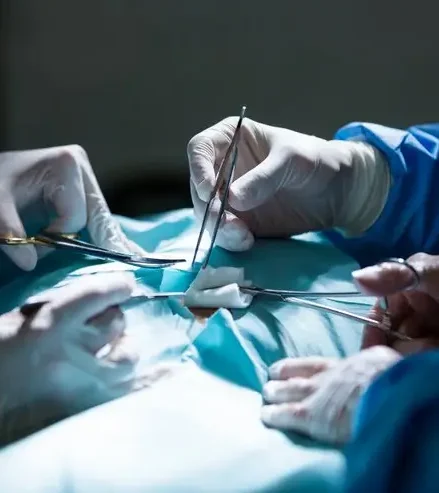
Understanding Pilonidal Disease
Pilonidal sinus surgery is used to help manage pilonidal disease. This condition is a type of skin infection that causes sinuses and cysts to develop along the crease between the buttocks. In less common cases, it may occur between the fingers or in the navel.
These sinuses and cysts contain ingrown hairs that may become infected, developing into abscesses. While this may be irritating and painful, abscesses may also require urgent treatment.
Pilonidal Sinus Disease Symptoms
It is often seen in young adults and, in many cases, infected sinus tracts may present with symptoms such as:
- Painful abscesses
- Lumps near the tailbone
- Recurring cysts
- Discharge of pus or blood
- Unpleasant smells
Why Do the Pilonidal Cysts Keep Coming Back?
Recurrent pilonidal disease often develops when the root cause isn’t addressed. In many cases, hair and debris accumulation continue to occur, causing more cysts to form.
Other causes, such as prolonged pressure from sitting and genetic predisposition, may also increase the risk of recurrence. Likewise, if the cyst was not completely removed during the procedure, it’s likely to reform.
When Should You Seek Assessment?
If you’ve recently noticed a pilonidal cyst, you may be wondering whether surgery is required. While surgery isn’t always necessary, certain symptoms may indicate it’s time to seek professional assessment and care:
- Recurrent Abscess Formation
- Persistent Discharge
- Ongoing Pain When Sitting
- Repeated Antibiotic Courses
- Recurrent Infections Despite Previous Surgery
- Increasing Swelling or Inflammation
The Potential Benefits of Pilonidal Sinus Surgery
Pilonidal sinus surgery involves the removal of the infected tissue and sinus tract. This may help relieve symptoms and allow the affected area to recover.
By directly removing the infected sinus tract, surgery may also reduce the likelihood of ongoing inflammation or recurrence. Recovery time may vary depending on the extent of the disease and the procedure performed.
Tired of dealing with irritated skin and recurrent infections? Dr Roshan Ariyaratnam is here to offer the compassionate, experienced care you need.
Common Pilonidal Sinus Treatments
There may be several different treatment options available depending on the severity and presentation of your condition. These may include:
Limited Disease Treatments
If your pilonidal abscesses and cysts are minimal, you may benefit from less-invasive treatments such as:
- Hair removal
- Consistent hygiene </ul
Recurrent Disease Treatments
For recurrent cysts, your surgeon may recommend minor procedures such as deroofing or curettage. This may involve:
- Removing the top of the abscess or sinus
- Scraping out any debris
- Open healing techniques </ul
Extensive Disease Treatments
For more complex presentations of pilonidal sinus disease, surgical procedures may be recommended, including:
- Wide excisions
- Flap-based procedures

Understanding the Surgical Approaches
Depending on individual circumstances, different surgical approaches may be appropriate. If you’re unsure which option is right for you, Dr Roshan may assess your condition and discuss a tailored treatment approach.
Wide Excision
In this operation, the sinus is cut out along with a margin of surrounding skin tissue.
The wound is then left open to recover naturally, by secondary intention.
The wound will need to be dressed regularly as it slowly closes over several months.
Flap-Based Closure
This procedure involves cutting a flap of skin from either side of the infected sinus.
The two sides are then closed together with sutures, removing the sinus. In this case, recovery may be faster than with a wide excision.
However, the chance of repeated infections may be higher.
What to Expect During Recovery
Your recovery may vary depending on the type of treatment you undergo and the severity of your condition. In most cases, it may take about two to three weeks to return to work and several months to be fully recovered.
Wound Care Requirements
During recovery, you will need to change your dressings, take any prescribed medication, and follow your surgeon’s wound care instructions to help reduce the risk of infection.
Follow-Up Arrangements
You may need to attend follow-up appointments to check that your wound is recovering as expected and to monitor your progress to help reduce the risk of recurrence.
Your Pilonidal Sinus Surgery Questions Answered
What causes pilonidal disease?
The exact cause is not always clear. It is thought to occur when loose body hair enters the skin within the natal cleft near the tailbone. Friction, pressure, and prolonged sitting may contribute, particularly in people with a deep natal cleft or a family history of the condition.
When should I seek support for pilonidal disease?
If you are experiencing symptoms such as swelling, tenderness, or increasing pain near the tailbone, assessment may be appropriate. Early intervention may help reduce the risk of a larger infection developing.
What happens if I leave pilonidal sinus disease untreated?
Untreated pilonidal disease may lead to ongoing pain, recurrent infections, abscess formation, and persistent discharge. Assessment may help determine the most suitable management approach.
Can pilonidal disease recover without surgery?
Some cases of pilonidal disease may be managed without surgery, depending on the severity of symptoms. Dr Roshan Ariyaratnam may assess your condition and discuss the most appropriate pilonidal sinus treatments in Melbourne.
Do I need a referral for pilonidal surgery?
A referral is not always required to arrange an appointment with a pilonidal specialist in Melbourne. However, a referral from your GP may be needed to access Medicare rebates, depending on your individual circumstances.
Is the procedure performed under general anaesthesia?
Most patients undergo surgery under general or local anaesthesia to help manage discomfort. Dr Roshan Ariyaratnam will discuss the most suitable option depending on the procedure and your medical history.
What are the possible complications or risks of pilonidal surgery?
Possible complications include wound infection or recurrence. If you experience increasing pain, redness, swelling, or discharge, you should seek additional care.
How painful is pilonidal surgery?
Pain levels vary between individuals and depend on the type of procedure performed. Medication and aftercare instructions may help manage discomfort during recovery.
Can I drive after pilonidal surgery in Melbourne?
You should avoid driving until you are comfortable and are no longer affected by pain medication. Dr Roshan Ariyaratnam will offer advice based on your procedure and recovery.
What are the chances of pilonidal cyst recurrence?
Pilonidal disease can recur after treatment, with recurrence rates varying depending on the extent of disease, surgical approach, and preventative care at home. Dr Roshan Ariyaratnam is happy to talk you through different strategies to help reduce the risk of recurrence.
What Makes Dr Roshan Ariyaratnam Different?
Fully Qualified and Experienced
As a FRACS-qualified general surgeon, Dr Roshan Ariyaratnam draws on 15 years of training and a wide range of surgical techniques to guide patients through diagnosis and management options.
Rapid Access to Care
Timely care is important, which is why we offer rapid access to surgical review and comprehensive communication, so patients may be seen within a week of referral.
Accessible Clinics
Dr Roshan regularly attends multiple clinics across Melbourne and regional Victoria, offering patients convenient access to the care they need in Wantirna, Forest Hill, Moorabbin, and Williamstown.
Find Help for Tailbone Cysts With Pilonidal Surgery in Melbourne
If you are living with pilonidal disease, there may be steps to help manage the condition. If infection or pain is constant, assessment may be appropriate. Dr Roshan Ariyaratnam is here to help review your concerns and discuss suitable treatments.