
Skin Cancer Removal Melbourne & Regional Victoria
Careful surgical excision with attention to cosmetic outcome.
With You Through Diagnosis, Surgery, and Beyond
Have you noticed a changing mole, new skin growth, or a persistent sore? While many skin changes are benign, some may require further assessment, biopsy, or removal. Australia has one of the highest rates of skin cancer in the world, so knowing the signs and seeking early treatment is essential.
Dr Roshan Ariyaratnam understands just how overwhelming a skin cancer diagnosis can be. As a specialist general surgeon, he performs a wide range of soft tissue surgery including skin lesion excision, lipoma removal and treatment of biopsy-proven skin cancers.
Common Skin Cancers and Benign Skin Lesions
Skin cancer is incredibly common, with more than two in three Australians diagnosed in their lifetime. Dr Roshan Ariyaratnam assesses and removes a range of cancerous and non-cancerous skin lesions, including:
Basal Cell Carcinoma (BCC)
The most common form of skin cancer. BCC grows slowly, usually over years, as small round spots that may appear red, pale, or pearly in colour.
Squamous Cell Carcinoma (SCC)
SCC is slightly less common, accounting for about one in three cases. It grows more quickly, over months and may spread. It typically appears as scaly red areas, or sores that bleed or refuse to heal.
Benign Skin Lesions
Benign skin lesions are non-cancerous growths that may include cysts, lipomas, skin tags and other lumps or lesions. Although many do not require treatment, removal may be considered if a lesion is uncomfortable, growing, frequently irritated, affecting daily activities or causing uncertainty about the diagnosis.
Recognising Suspicious Skin Lesions
Any new or changing skin lesion, persistent sore or lump that does not heal should be assessed early. While many skin lesions are benign, others may require a biopsy or surgical removal.
Keep an eye out for:
- New spots
- Existing spots that change colour, size, or shape
- Raised, evenly coloured bumps
- Red, pink, black, or brown bumps
- Lumps
- Dry, scaly areas
- Ulcers that bleed or crust
Worried about a skin change? Reach out to Dr Roshan for understanding and timely care.
Skin Cancer and Skin Lesion Surgery
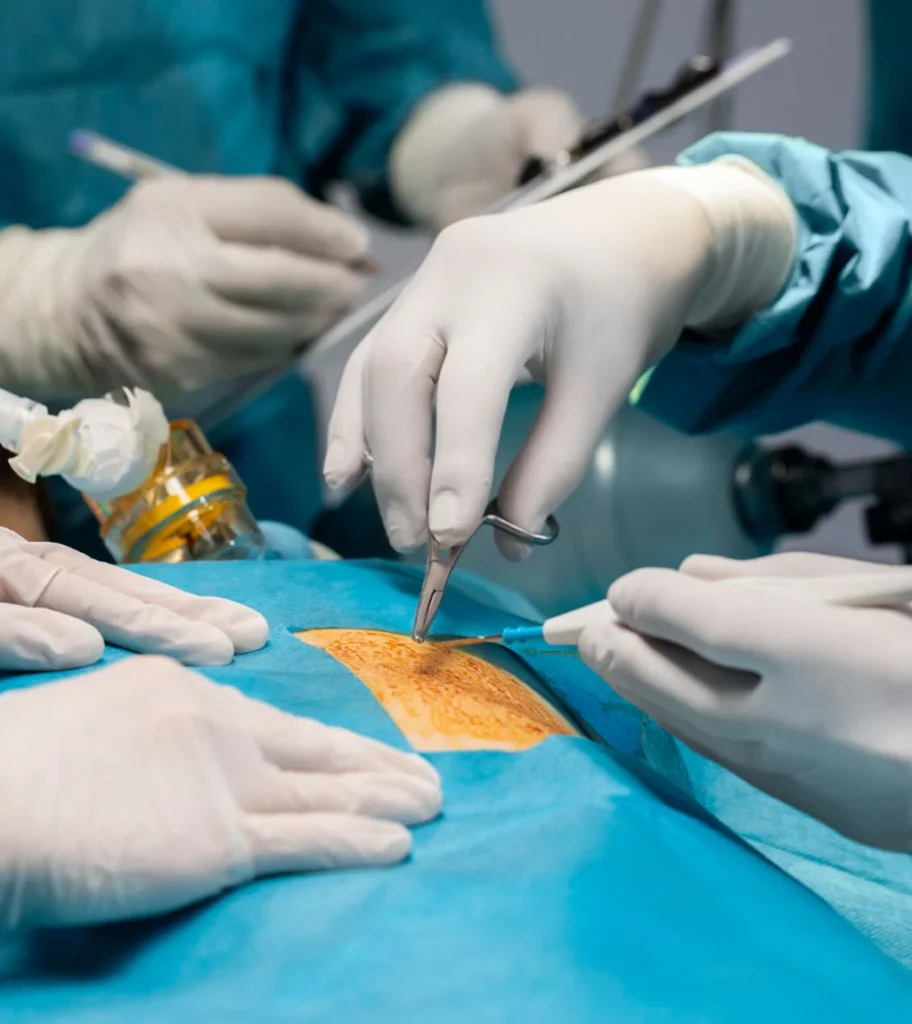
Surgical removal may be recommended for certain skin cancers, suspicious lesions and benign skin lumps. Here is what the process may involve:
1. Anaesthesia
Local anaesthetic, or in some cases general anaesthesia, may be used to numb the site and help make your surgery as comfortable as possible.
2. Surgical Excision
The skin lesion is carefully removed. Where skin cancer has been diagnosed or is suspected, a margin of surrounding skin may also be removed to help achieve an appropriate surgical clearance.
3. Reconstruction
Depending on the size and location of the area removed, a skin graft or local flap may be used to help close the wound.
4. Recovery
Dr Roshan Ariyaratnam will offer clear instructions to help you properly care for the skin wound.
Answering Your Skin Cancer Treatment Questions
How can I protect my skin from sun exposure?
Do your best to avoid sun exposure by wearing protective clothing, applying SPF 50+ sunscreen, and seeking shade where possible. It’s also important to check your skin regularly and see your GP as soon as you notice any changes.
Do all skin lesions need to be removed?
No. Many skin lesions are benign and may not require treatment. Removal may be recommended when a lesion is suspicious, changing, uncomfortable, repeatedly irritated or affecting your daily activities. A biopsy may also be recommended when the diagnosis is uncertain.
When should I see a surgeon about a skin lesion?
You may be referred to a surgeon if a lesion requires biopsy or removal, has been diagnosed as a basal cell or squamous cell carcinoma, is increasing in size, has not healed or is located in an area where wound closure may require careful planning.
What happens if my biopsy shows melanoma?
If a biopsy identifies melanoma, Dr Roshan Ariyaratnam will discuss the result with you and arrange referral to a dedicated melanoma specialist for ongoing management.
Are there other types of skin cancer treatments?
Depending on the type, size, and location of the skin cancer, non-surgical options such as topical creams or radiation therapy may be suitable. Dr Roshan Ariyaratnam will recommend the most appropriate treatment for you.
Will skin cancer removal leave a scar?
Some scarring is possible with any surgery; however, Dr Roshan Ariyaratnam takes great care to help minimise scarring, particularly in sensitive areas.
Can skin cancer come back after removal?
When skin cancer is completely removed, most patients are considered to be successfully treated. However, cancer recurrence is possible, so ongoing skin health checks remain important after treatment.
Where can I find skin cancer removal near me?
Dr Roshan consults across Knox, Mulgrave, Holmesglen, Williamstown, Sunbury, Melbourne Private and regional Victoria. Contact us to find your nearest location.
What Sets Dr Roshan Ariyaratnam Apart?
Patient First
With compassionate, patient-centred care and evidence-based techniques, he puts your health needs, preferences, and goals first.
Prompt Answers
He sees most patients within a week of referral. With prompt communication with GPs, we aim to help them feel supported from the start.
Multiple Clinics
Dr Roshan Ariyaratnam consults at several Melbourne and regional clinics including Knox, Mulgrave, Holmesglen, Williamstown, Sunbury and more, so you may choose the location that is most convenient for you.
Take the Next Step for Your Skin Health
Concerns about a suspicious skin lesion or skin cancer diagnosis can feel overwhelming. Whether you have a suspicious skin lesion, biopsy-proven basal or squamous cell carcinoma, or another skin lump requiring removal, Dr Roshan Ariyaratnam can assess you and discuss the most appropriate treatment.