
Hernia Surgery Moorabbin
Tailored hernia care with one of Moorabbin’s specialist general surgeons with interest in complex hernia cases.
Understanding Hernias
For many people, a hernia begins as a subtle lump or pressure in the groin or abdomen. Still, it can progress to ongoing discomfort or concern, especially when lifting heavy objects, coughing, or straining.
Some hernias may remain manageable for a time, but others can progress to cause persistent pain or, in severe cases, become life-threatening if ignored.
Dr Roshan Ariyaratnam, a general surgeon with extensive knowledge in complex hernia repair, is frequently sought for revision surgeries and challenging hernia cases.

Causes of Hernias
A hernia forms when internal tissue pushes through weakened abdominal muscles, creating a visible bulge around the groin, navel, or surgical scar. Some hernias are present from birth due to muscle weakness, while others develop later from ongoing strain, heavy lifting, or chronic coughing.
Symptoms of Hernias
The symptoms of hernias may vary. Most hernias cause a lump that may be tender or lead to increased pain with activity or straining. Other signs include:
- A sensation of heaviness or dragging in the affected area
- Pressure
- A feeling of unease or soreness
- Localised swelling around the affected area
- Pain where the lump is located
- Pain that occurs when lifting heavy objects
- A burning feeling in the affected area
Since hernias usually worsen with time and carry risks if left unaddressed, most surgeons recommend surgical repair.

Types of Hernia
Surgeons commonly classify abdominal wall hernias into three primary categories:

Umbilical Hernia
What it is: An umbilical hernia occurs when tissue near the navel (belly button, or umbilicus) protrudes through the abdominal wall muscles.
Common symptoms: A bulge and tenderness around the navel area, which may increase when coughing, bending, or straining.
Treatment options: An umbilical hernia may seem minor at first, but without treatment, it can lead to serious complications such as strangulation. Surgery is the definitive treatment.
Groin Hernia
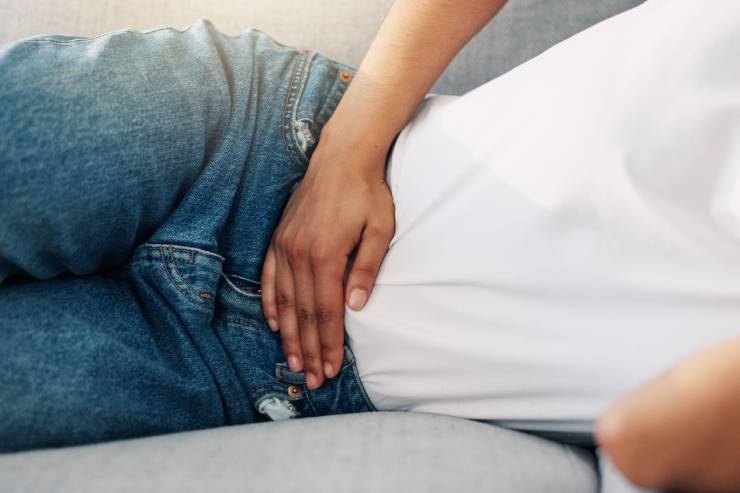
What it is: Occurring when tissue breaks through the lower abdominal wall, a groin hernia can extend into the groin or upper thigh. Inguinal hernias are most common, though women are more prone to developing femoral hernias.
Common symptoms: Discomfort, heaviness, or swelling in the groin area, which can increase with activity or strain. Some hernias, particularly in women, may cause pain even without a lump.
Treatment options: You may be able to monitor a painless groin hernia initially, but most become bothersome over time. When symptoms like pressure, constipation, or urinary issues develop, surgery is generally recommended.

Ventral Hernia
What it is: A ventral hernia develops when tissue or intestine protrudes through a weak area of the abdominal wall. Common types include incisional (from a past surgery), epigastric (above the navel), and spigelian (between muscle layers).
Common symptoms: Swelling, pressure, or pain in the abdominal region, often more obvious during movement or when straining.
Treatment options: If a ventral hernia causes no symptoms, monitoring it may be appropriate. Should it grow or become painful, surgical repair is generally recommended.
Hernia Surgery With Dr Roshan Ariyaratnam
As a general surgeon with extensive experience in both open and laparoscopic hernia repair, Dr Roshan Ariyaratnam provides tailored care for patients in Moorabbin. He combines advanced laparoscopic techniques with a patient-centred philosophy to aim for the best outcomes.
After your referral has been submitted, the next steps in his process are:
- Initial consultation: Assessing your condition, confirming the hernia type, and discussing potential risks and treatment options.
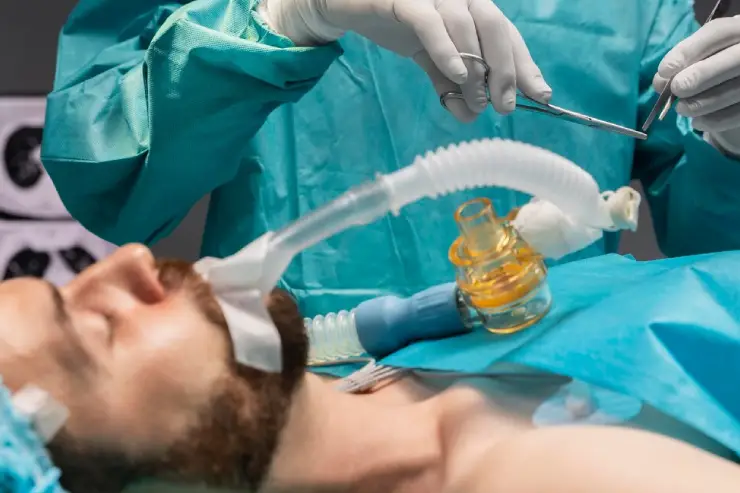
- Hernia repair surgery: Carried out with either open or laparoscopic approaches, depending on the hernia type.
- Recovery and follow-up: Supporting patients with guidance on when to resume strenuous activity or strenuous exercise after surgery.
Among Moorabbin’s surgical network, Dr Roshan Ariyaratnam is recognised for his experience in complex hernia and abdominal wall reconstruction cases, making him a preferred referral choice.
Mesh and Your Hernia Repair
Today, most hernia surgeries involve the use of non-absorbable mesh, which helps reinforce the abdominal wall and prevent future recurrence. Although mild hernias can occasionally be managed without mesh, mesh repair is the standard method for inguinal and ventral types.
Mesh is tightly regulated in Australia by the TGA and supported by the ANZ Hernia Society. Though complications are rare, they may occur with both mesh and non-mesh repairs; however, mesh repairs generally have lower recurrence rates. Dr Roshan Ariyaratnam will discuss the advantages, disadvantages, and your individual circumstances so you can make an informed decision.
Robotic Hernia Surgery
Robotic hernia surgery represents the latest advancement in minimally invasive techniques, merging robotic precision with the skill of an experienced hernia surgeon. Through the da Vinci Xi system, Dr Roshan Ariyaratnam offers procedures with enhanced control, smaller cuts, and quicker recovery than traditional laparoscopic surgery. The next generation of hernia repair, robotic surgery, blends state-of-the-art robotic precision with the hands-on care of a hernia surgeon. Using the da Vinci Xi robotic platform, Dr Roshan Ariyaratnam achieves high accuracy, minimal scarring, and a faster return to normal activity.
This approach is particularly beneficial for complex ventral, incisional, inguinal, and recurrent hernias, where meticulous dissection and tension-free closure are critical for long-term durability. The robotic system provides enhanced 3D vision, tremor filtration, and wrist-like instrument movement, enabling refined control during component separation or mesh placement.
Robotic hernia surgery offers several important potential advantages, including:
- Smaller incisions leading to reduced pain following the procedure
- Reduced likelihood of infection or wound-related issues
- Faster recovery and earlier return to daily routines or employment
- More refined technique in reconstructing and reinforcing the abdominal wall
- Reliable, high-quality results even in complex or previously repaired hernias
Dr Ariyaratnam provides robotic hernia surgery at both Knox Private Hospital and Epworth Freemasons, combining multidisciplinary care with personalised planning based on each patient’s body, history, and lifestyle.
Ready to manage your hernia and move forward without ongoing discomfort?
Your Hernia Surgery Moorabbin Questions Answered
Do all hernias need surgery?
Hernias do not resolve without treatment, which is why surgery is generally advised to stop them from worsening or causing complications such as strangulation. Often, mesh is used to strengthen the repair and lower the risk of recurrence. Dr Roshan Ariyaratnam will guide you on whether mesh or non-mesh repair best suits your case.
own. This means that hernia surgery is recommended in an effort to prevent enlargement, complications, and the chance of developing a strangulated hernia. In many cases, mesh is used to reinforce the hernia repair and reduce the chances of it returning. Dr Roshan Ariyaratnam will discuss whether mesh or non-mesh repair may be most appropriate for your hernia.
What is the difference between open hernia repair and laparoscopic hernia repair?
In open hernia repair, the surgeon makes a small cut over the hernia site, whereas laparoscopic repair is performed through several small incisions with the help of a camera. Both methods repair the hernia, though laparoscopic surgery typically offers a faster recovery time.
What is complex hernia surgery?
This describes a highly advanced repair for large or recurrent hernias, where the abdominal wall is rebuilt through restoration of tissue and blood flow, supported by mesh reinforcement such as an inguinal mesh plug or other absorbable materials.
How long is the recovery after hernia surgery?
Your recovery time varies depending on the type of hernia repair. Laparoscopic surgery is minimally invasive, allowing most patients to return home within a day. Gentle walking is encouraged soon after, though heavier activity should wait until your surgeon approves. Open hernia repair usually requires a longer recovery, often several weeks more. Dr Roshan Ariyaratnam will guide you on when it’s safe to resume normal routines.
What areas do you service?
Holmesglen Private Hospital is easily accessible to patients in:
Why Dr Roshan Ariyaratnam?
Specialist in Complex Hernia Repair
Experienced in a wide range of surgical approaches, Dr Roshan Ariyaratnam performs open and laparoscopic repairs as well as intricate abdominal wall reconstructions.
Rapid Access
Most referrals are processed quickly, with appointments usually available within one week and seamless coordination between your GP and the surgical team.
Convenient Access
Dr Roshan Ariyaratnam consults across multiple locations in Victoria, allowing you to choose the location most convenient for you.
Our Location near Moorabbin
Book Your Hernia Consultation Today
If you suspect a hernia due to pain, swelling, or a visible lump, you can access expert care close to home. Dr Roshan Ariyaratnam provides complex hernia repair services throughout Victoria.
Take the first step toward relief. Schedule your appointment today to explore the best potential treatment options for your hernia.