
Colonoscopy Melbourne
Aiming to detect and address bowel concerns early.
A Closer Look at Colonoscopy
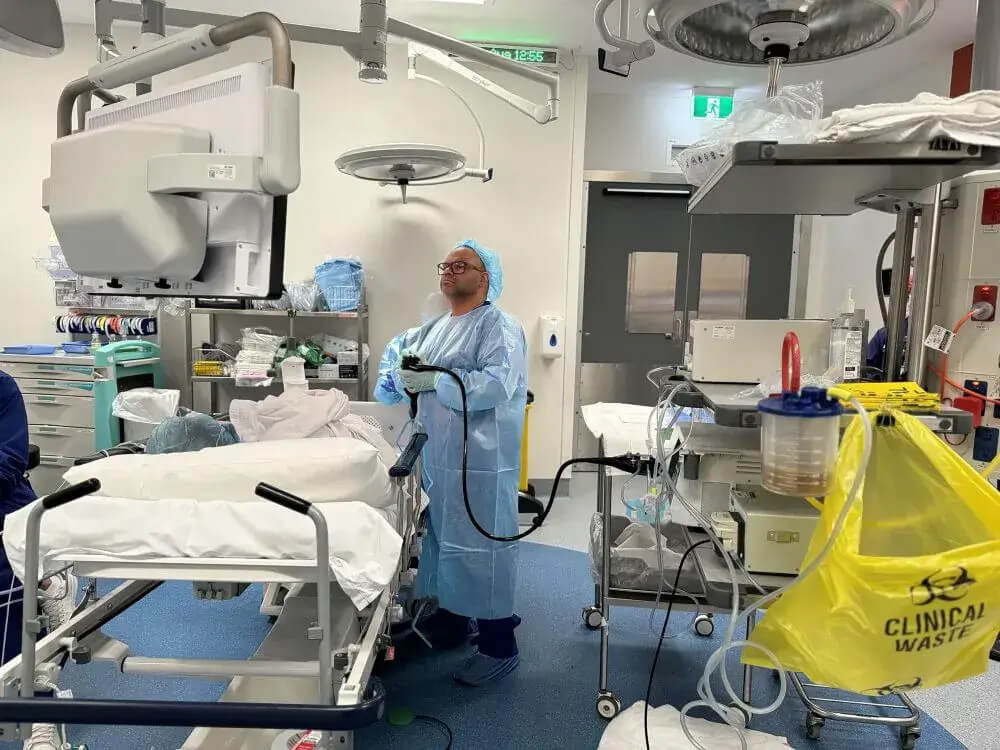
A colonoscopy is a type of endoscopy: a procedure that uses a flexible tube with a light and camera at the end, inserted into the body to examine different areas. A colonoscopy examines the inner lining of the large bowel, also known as the colon.
This is used for screening, diagnosis, or management of a range of different bowel conditions, from rectal bleeding to colonic polyps and more. By giving a detailed view of the colon, colonoscopy often helps Dr Roshan Ariyaratnam pinpoint the cause of your symptoms and address concerns early.
A colonoscopy may also help investigate conditions such as diverticular disease and colorectal cancer. Where further treatment is required, Dr Ariyaratnam can assess whether surgical management may be appropriate.
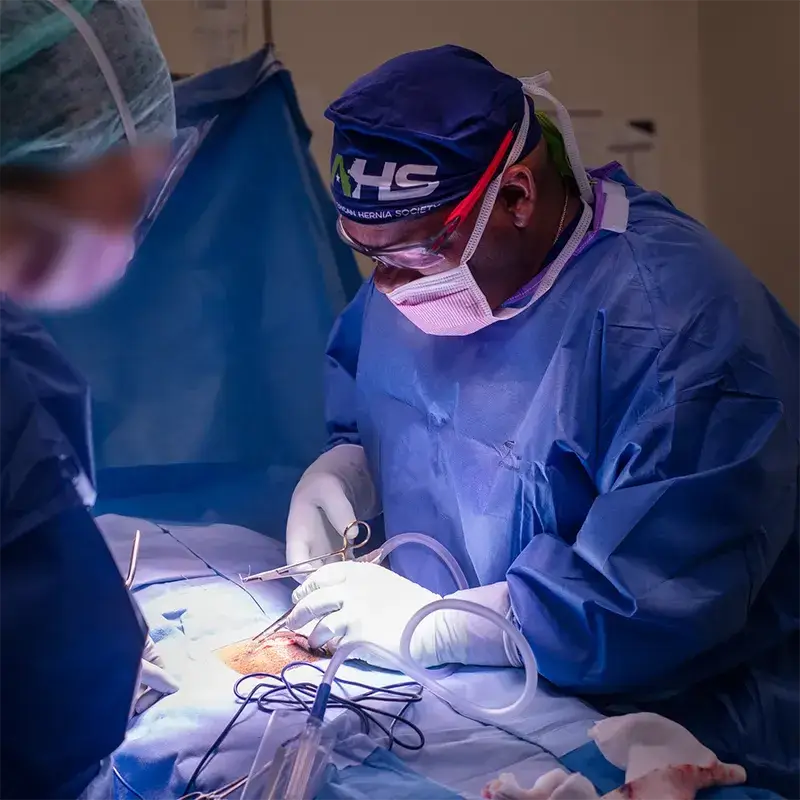


Is a Colonoscopy Right for You?
A colonoscopy may be used to investigate a range of concerns affecting your bowel health. Dr Roshan Ariyaratnam uses this to assess and manage conditions such as:
- Rectal Bleeding
- Change in Bowel Habit
- Colonic Polyps
- Diverticular Disease
- Abdominal Pain
- Unexplained Weight Loss
- Bowel Cancer Screening
- Family History of Bowel Cancer
- Surveillance
Three Ways a Colonoscopy May Help
A colonoscopy supports your health by aiming to identify concerns and, when possible, managing them directly.
Screening
May help detect changes in the bowel early, sometimes before symptoms appear.
Diagnosis
Gives a clearer view of the colon to help investigate the cause of your symptoms.
Treatment
Small growths may be removed on the spot, potentially reducing the procedures you may need.
What Happens During Your Colonoscopy
1. Prior to the Procedure
Before the procedure, you'll be given clear bowel preparation instructions, which usually involve taking a laxative and sticking to clear fluids to cleanse the bowel lining.
2. Sedative Medication
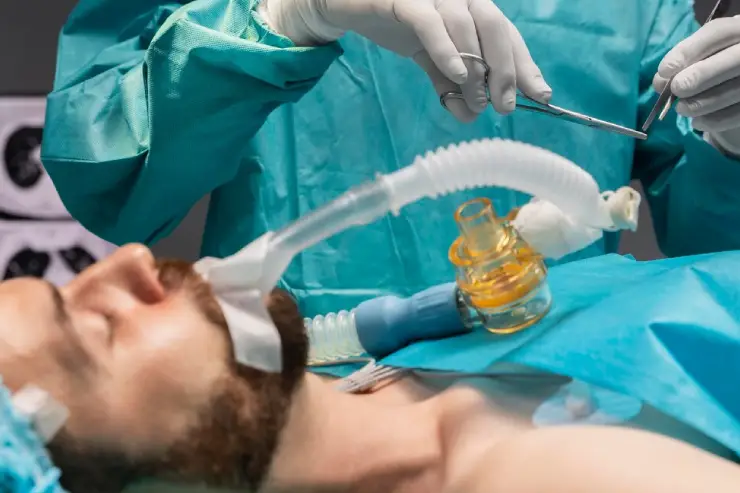
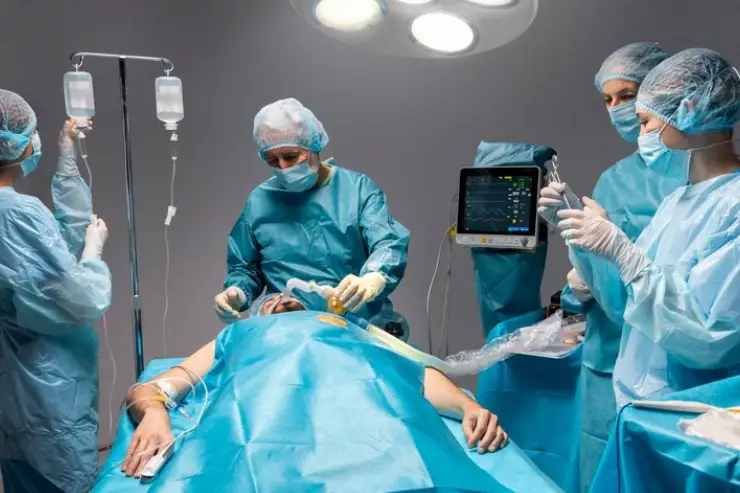
After checking your blood pressure, you’ll receive sedation administered by your anaesthetist to keep you comfortable during the procedure.
3. The Medical Procedure
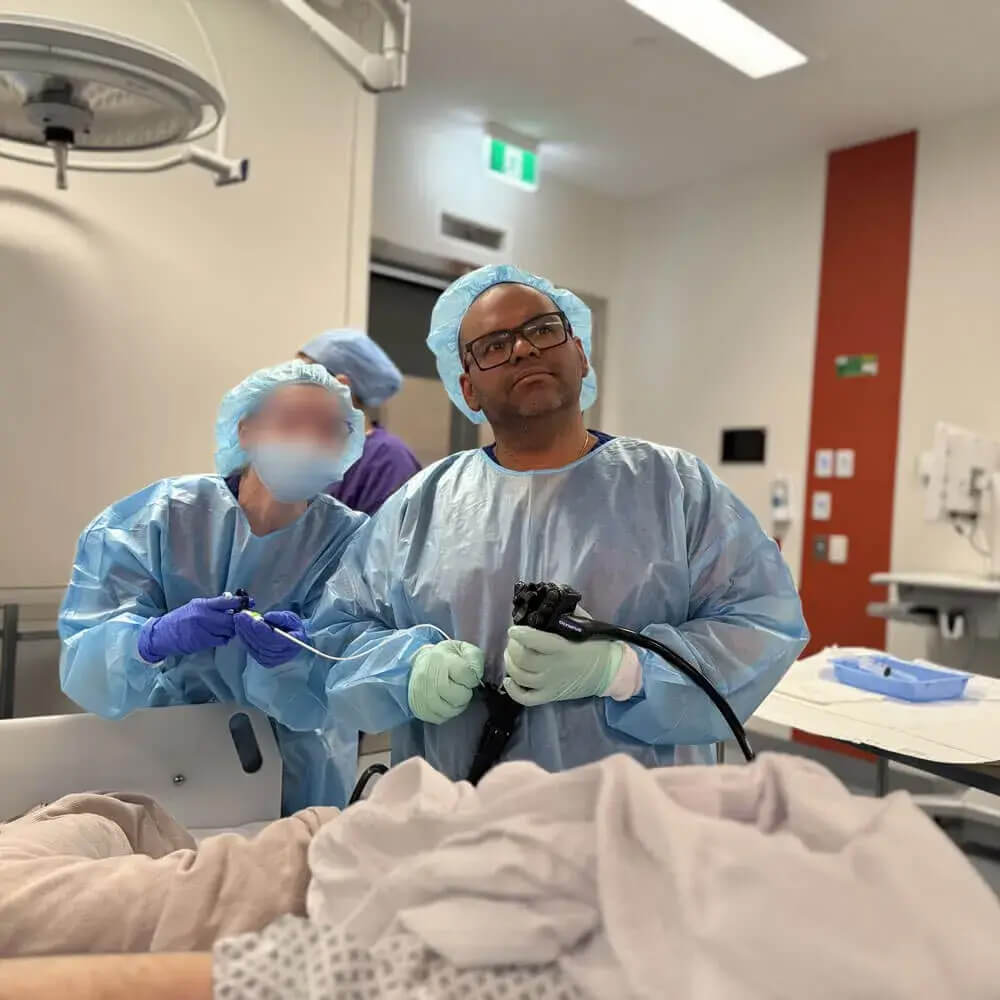
The colonoscope, a thin, flexible tube with a camera, passes through your colon so Dr Ariyaratnam may examine the bowel lining of your lower digestive system.
4. Sampling and Treatment
If needed, we may take tissue samples or remove abnormal growths, such as a polyp. On average, the procedure takes 15-30 minutes as a day procedure, so most patients go home the same day.
Worried about your bowel health?
Dr Ariyaratnam offers personalised support and clear answers every step of the way.
What Sets Dr Roshan Ariyaratnam Apart?
Rapid Access to Care
With a streamlined process, he sees most patients within a week of referral, so you may get the care you need without a long wait.
Specialist General Surgeon
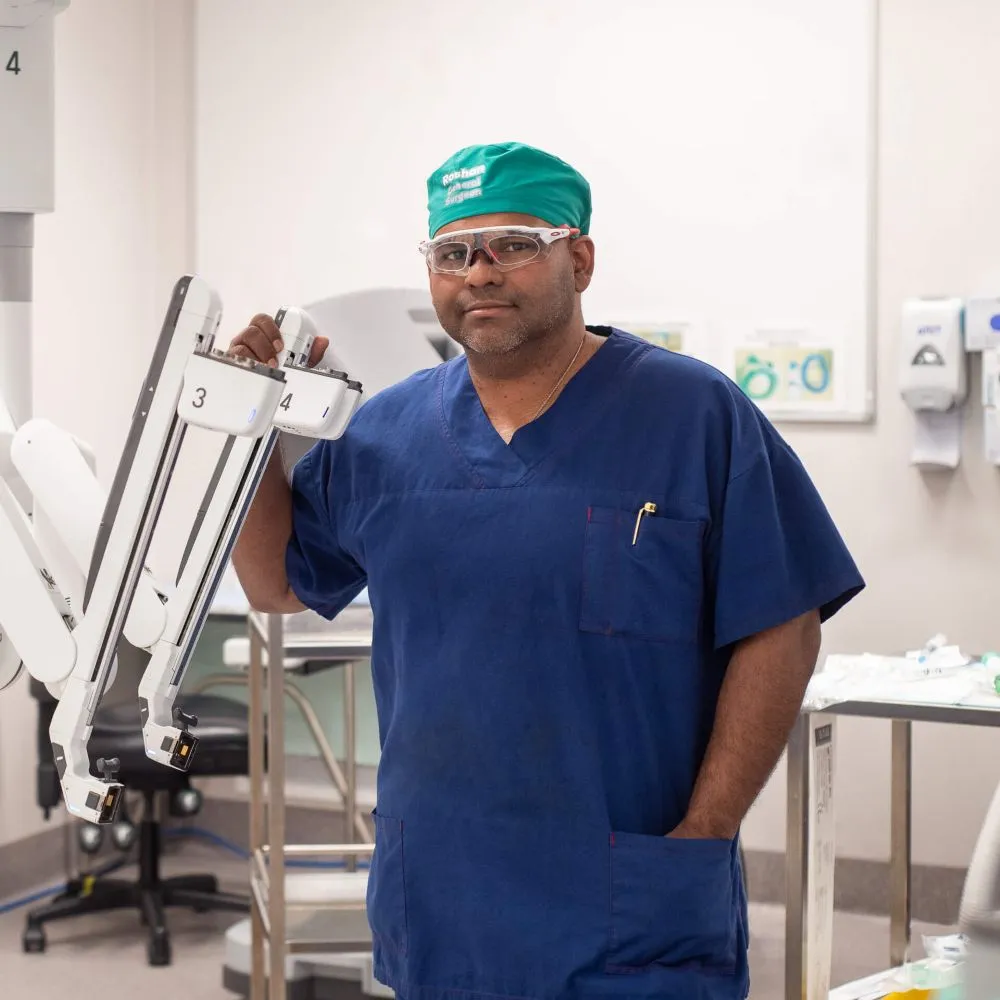
Dr Roshan Ariyaratnam is a FRACS-qualified specialist general surgeon experienced in colonoscopy, bowel conditions and surgical management when required. He has GESA Accreditation for both Gastroscopy and Colonoscopy.
Post-Operative Support
We'll support you after your colonoscopy in an effort to help you recover properly, with clear guidance and follow-up whenever you need it.
Answering Your Colonoscopy Questions
What are colonic polyps?
Colonic polyps are small growths that develop on the inner lining of the colon. Most are harmless and cause no symptoms, but some types can change over time and, if left untreated, may eventually develop into bowel cancer.
When should you see a GP about a colonoscopy?
It’s worth speaking with your GP if you notice:
- A lasting change in bowel habit
- Persistent bleeding
- Severe abdominal pain that doesn’t settle
Should I take my usual medications prior to the procedure?
Some medications may need to be adjusted before colonoscopy, including blood-thinning and diabetes medications. You will be given individual instructions before your procedure. Do not stop prescribed medication unless advised to do so.
What should I bring and expect on the day?
Please bring your referral form and health fund details. When you arrive, you’ll change into a patient gown and settle onto a hospital bed, where our team will check you over before the procedure begins. You’ll also be asked to wear loose-fitting clothing for comfort.
Are there risks to a colonoscopy?
As with all procedures, a colonoscopy carries some risk. Your colonoscopy surgeon will keep you informed every step of the way and discuss what to expect before you proceed.
Serious complications are rare, but may include:
- Perforation
- Bleeding
- Missed polyp
- Cardiorespiratory complications
Can I drive or go back to work the same day?
Because you’ll have had sedating medication, you won’t be able to drive, operate machinery, or return to work for the rest of the day. You’ll need a responsible adult to take you home and, ideally, stay with you for the evening.
It’s also best to avoid drinking alcohol for 24 hours. Most patients are ready to return to their usual routine the following day.
What are the alternatives to a colonoscopy?
There are several ways to check bowel health. Faecal occult blood testing looks for hidden blood in a stool sample, while a CT colonoscopy is an X-ray procedure that images the bowel from the outside.
These alternative tests are often useful for screening, but a colonoscopy can directly examine the bowel lining and address problems, such as removing a polyp, in the same visit.

Finding a Colonoscopy Clinic Near Me
With six locations across Melbourne and regional Victoria, we make it easy to find care close to home. Choose the clinic that’s most convenient for you.
See a Colonoscopy Doctor in Melbourne
If you need a colonoscopy, contact Dr Roshan Ariyaratnam today. With tailored care and quick appointments across Melbourne and regional Victoria, clear answers about your bowel health don’t have to wait.
Already Have a GP Referral?
Have a GP referral? Send your referral to Roy Surgical and our team will contact you to arrange an appointment.