
Gallbladder Removal Surgery Balwyn (Cholecystectomy)
Gallbladder Pain
Have you ever been jolted awake by pain in the upper right of your stomach, or a tight, squeezing feeling near your ribs? This could be what’s known as a ‘gallbladder attack’, a condition that can be quite uncomfortable and may require a visit to the emergency department.
The gallbladder is a small organ in the abdomen that stores bile, a digestive fluid released into the small intestine to help break down fats. When bile becomes concentrated with cholesterol or pigments, the gallbladder doesn’t empty properly. This may cause small crystals to develop and gradually grow into gallstones.

Gallbladder Disease
In Australia, gallstone disease is among the leading causes for surgical procedures. Surgeons such as Dr Roshan Ariyaratnam support patients dealing with gallstones and related gallbladder conditions, including acute and chronic cholecystitis, biliary colic, and gallstone pancreatitis.
Through prompt diagnosis and proper treatment, patients may experience ongoing relief and lower the chances of complications developing.
With timely diagnosis and the most appropriate treatment, patients may be able to find long-term relief and avoid potentially serious complications.
Symptoms of Gallstones
Gallstones can sometimes exist without causing any issues. When they’re small, they don’t block bile flow between the gallbladder and the small intestine. But larger gallstones may cause symptoms such as:
- Sharp or persistent pain in the abdomen
- Discomfort or pain following a rich or fatty meal
- Jaundice (yellowing of the eyes)
- A high temperature or fever
Causes of Gallstones
There are several reasons gallstones can form, including:
- Too much cholesterol in the bile
- Rapid weight loss
- Undergoing hormone replacement therapy
- Inherited blood conditions
- Regularly eating rich or fatty foods
Some people may not notice any symptoms, while others experience intense biliary pain, repeated episodes, or issues such as chronic pancreatitis or inflammation of the gallbladder.
In such situations, gallbladder surgery, also called a cholecystectomy, is often recommended to prevent further episodes and help patients resume their normal routine.
Gallbladder Surgery With Dr Roshan Ariyaratnam
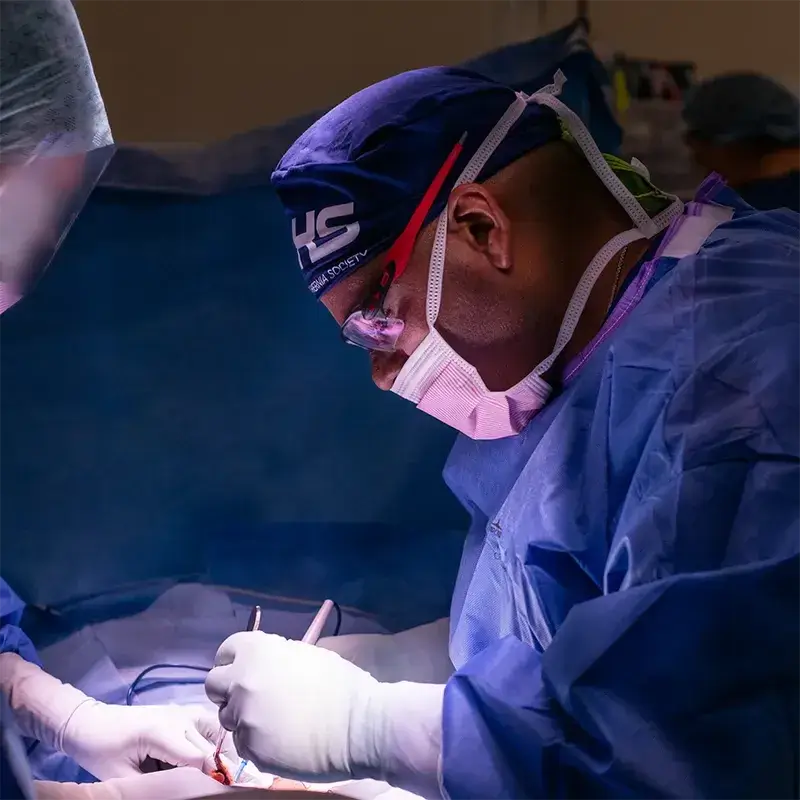
Dr Roshan Ariyaratnam is a highly experienced general surgeon who has carried out many gallbladder surgeries across Balwyn. He utilises advanced laparoscopic methods to support faster recovery and better outcomes for patients.
Also known as keyhole surgery, laparoscopic surgery is a minimally invasive way to remove the gallbladder. During a laparoscopic cholecystectomy, several small cuts are made to insert instruments, enabling the gallbladder to be removed with generally less pain and faster recovery than open surgery.
The approach taken by Dr Roshan Ariyaratnam focuses on:
- Comprehensive evaluation: Determining if gallstones are the source of your discomfort and checking for other conditions, including peptic ulcers or reflux.
- Clear and open discussion: Going over the benefits, risks, and surgical consent form with you before your procedure.
- Advanced surgical care: Offering both laparoscopic cholecystectomy and, if required, open gallbladder surgery, aiming to ensure the most appropriate option for each patient.
- After-surgery care: Supporting recovery with pain management, wound care, and nutritional advice like following a low-fat diet to help you get back to your routine.
Grounded in evidence-based medicine and compassionate care, Dr Roshan Ariyaratnam is committed to keeping patients safe, informed, and supported during their treatment journey.
Considering laparoscopic gallbladder surgery and want guidance from a kind, knowledgeable surgeon near you?
Your Gallbladder Surgery Balwyn Questions Answered
What are gallstones made of?
Inside the gallbladder, hard deposits known as gallstones can develop. These may include cholesterol stones (commonly formed when bile carries too much cholesterol), pigment stones (small, dark stones from high bilirubin levels linked to hereditary blood disorders), or mixed stones (a mixture of cholesterol and minerals). They can range in size from a speck of sand to a few centimetres wide.
How many people have gallbladder diseases?
Because many people with gallstones don’t experience any symptoms, it’s difficult to know the exact figures. Still, estimates suggest around 15% of Australians over the age of 50 are affected.
What are the risks of gallbladder surgery?
As with any operation, there are possible risks to consider. Though uncommon, complications may involve infection, bleeding, bile duct injury, blood clots, or slight bruising and oozing near the incision area. Dr Roshan Ariyaratnam will outline these risks with you before proceeding.
What happens after my gallbladder is removed?
Following gallbladder surgery, many patients leave the hospital the same day or the next. Temporary loose stools or mild diarrhoea can occur as bile flows more freely into the intestine, but this usually resolves. It’s advised to eat a low-fat diet initially, then slowly reintroduce regular foods.
What is a bile duct, and what is its role in the gallbladder?
The bile duct is the channel that carries bile from the gallbladder and liver to the small intestine, where it helps digest fats. The common bile duct is the main pathway that joins smaller ducts together before bile enters the intestine. During gallbladder surgery, surgeons carefully check the bile ducts to ensure no gallstones are blocking them, as this can cause pain, infection, or jaundice.
Do I need a gallbladder if it's causing issues?
The gallbladder isn’t vital for digestion, and the body can operate well without it. It serves mainly as a storage pouch for bile, which, after removal, flows straight into the small intestine. Most people experience little to no lasting dietary changes, though reducing fatty foods can ease discomfort during recovery. Occasionally, loose stools may occur after eating rich foods or caffeine, but this usually settles quickly.
Even though minor issues may occur, it’s important not to be discouraged. If you’re experiencing gallstones or another gallbladder condition, laparoscopic removal is generally the safest and most suitable treatment to prevent future problems.
What areas do you service?
Union Road Specialist Centre is easily accessible to patients in:
Why Dr Roshan Ariyaratnam?
Experience in Minimally Invasive Laparoscopic Surgery
Dr Roshan Ariyaratnam uses advanced laparoscopic techniques to help patients experience reduced pain and a quicker return to normal activities after surgery.
Comprehensive, Local Care
With every stage of your care, from diagnosis to recovery, managed locally, Dr Roshan Ariyaratnam delivers comprehensive support and clear guidance throughout the process.
Patient-Centred Approach
Drawing on more than 15 years of surgical experience, Dr Roshan Ariyaratnam supports patients dealing with gallbladder and bile duct conditions.

Our Location near Balwyn
Aiming to Help You Sleep Through the Night Without Pain
For those experiencing gallstones, biliary colic, or repeated abdominal pain, relief could be within reach. Laparoscopic gallbladder surgery often provides a way to avoid future problems and enjoy daily life without persistent pain.
Schedule a consultation with Dr Roshan Ariyaratnam to review your symptoms and better understand your treatment options, including laparoscopic gallbladder surgery. From urgent gallbladder inflammation to ongoing gallbladder disease, he will work with you to create a treatment plan suited to you.