
Gallbladder Surgery Surrey Hills (Cholecystectomy)
Gallbladder Pain
Have you ever woken up in the middle of the night with a pain in the upper right of your abdomen? Or a pain that squeezes you around the top of your ribs? This may be what people refer to as a ‘gallbladder attack’, and it’s known to be quite painful, with many people turning to the emergency room for help.
The gallbladder, a small pouch under the liver, stores bile, a substance that helps digest fats. When bile becomes rich in cholesterol or pigments and isn’t released properly, small crystals can form, gradually building up into gallstones.

Gallbladder Disease
In Australia, gallstone disease is among the leading causes for surgical procedures. Surgeons such as Dr Roshan Ariyaratnam support patients dealing with gallstones and related gallbladder conditions, including acute and chronic cholecystitis, biliary colic, gallstone pancreatitis, and occasionally, gallbladder cancer.
A timely diagnosis combined with appropriate care can help patients find lasting relief and avoid major complications.
With timely diagnosis and the most appropriate treatment, patients may be able to find long-term relief and avoid potentially serious complications.
Symptoms of Gallstones
Gallstones can sometimes exist without causing any issues. When they’re small, they don’t block bile flow between the gallbladder and the small intestine. But larger gallstones may cause symptoms such as:
- Strong pain or discomfort in the abdominal area
- Pain that occurs after eating a fatty meal
- Yellow discolouration of the eyes, known as jaundice
- Fever that may accompany pain or infection
Causes of Gallstones
Gallstones may develop due to various factors such as:
- When bile contains more cholesterol than it can dissolve
- Losing weight too quickly
- Taking hormone replacement therapy (HRT)
- Inherited blood conditions
- Consuming foods high in fat
While some people never experience symptoms, others develop severe biliary pain (also known as biliary colic), recurrent attacks, or complications like chronic pancreatitis or an inflamed gallbladder.
In such situations, gallbladder surgery, also called a cholecystectomy, is often recommended to prevent further episodes and help patients resume their normal routine.
Gallbladder Surgery With Dr Roshan Ariyaratnam
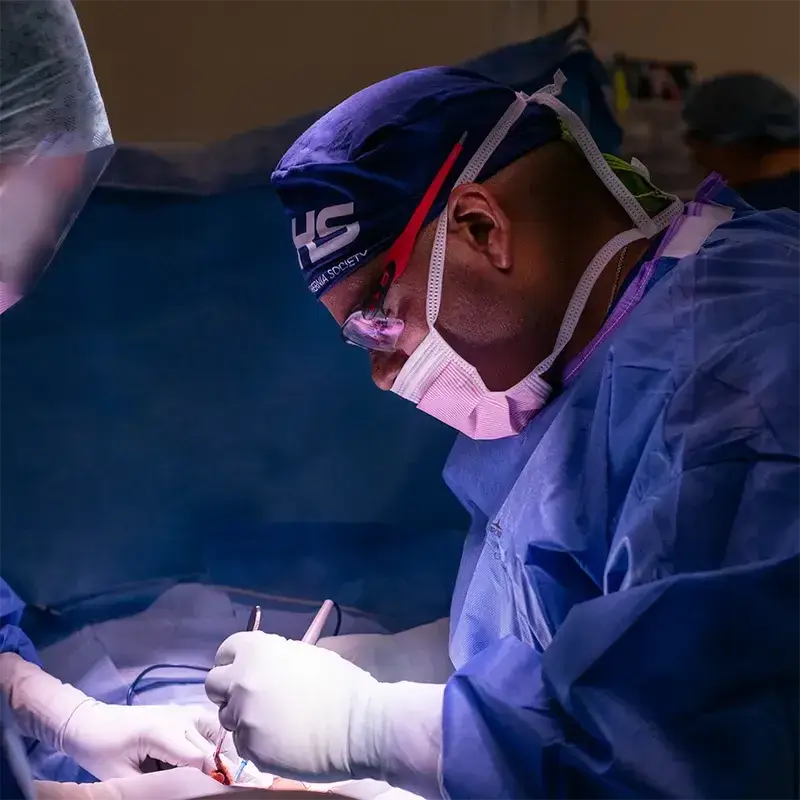
Dr Roshan Ariyaratnam has considerable experience performing gallbladder surgeries across Surrey Hills, applying the latest laparoscopic approaches that aim to help shorten recovery periods and optimise outcomes.
Keyhole, or laparoscopic, surgery offers a minimally invasive method for gallbladder removal. It uses a few tiny incisions to insert instruments, allowing the surgeon to remove the gallbladder while reducing post-operative pain and recovery time.
His approach to gallbladder surgery includes:
- Comprehensive evaluation: Determining if gallstones are the source of your discomfort and checking for other conditions, including peptic ulcers or reflux.
- Clear and open discussion: Going over the benefits, risks, and surgical consent form with you before your procedure.
- Advanced surgical care: Offering both laparoscopic cholecystectomy and, if required, open gallbladder surgery, aiming to ensure the most appropriate option for each patient.
- Post-operative support: Managing post-operative pain, wound care, and dietary guidance (such as a low-fat diet) to help you return to everyday life as quickly and smoothly as possible.
Dr Roshan Ariyaratnam follows an evidence-based and patient-centred approach, prioritising safety and compassion to provide reassurance and guidance throughout treatment.
Looking to learn more about laparoscopic gallbladder surgery from a supportive and experienced local surgeon?
Your Gallbladder Surgery Surrey Hills Questions Answered
What are gallstones made of?
Inside the gallbladder, hard deposits known as gallstones can develop. These may include cholesterol stones (commonly formed when bile carries too much cholesterol), pigment stones (small, dark stones from high bilirubin levels linked to hereditary blood disorders), or mixed stones (a mixture of cholesterol and minerals). They can range in size from a speck of sand to a few centimetres wide.
How many people have gallbladder diseases?
Since gallstones often cause no symptoms, determining exact numbers can be challenging. It’s believed that roughly 15% of Australians aged over 50 have them.
What are the risks of gallbladder surgery?
While surgery is generally safe, it’s important to be aware of potential risks. Uncommon complications can include infection, bleeding, blood clots, bile duct injury, or minor bruising and discharge at the incision sites. Dr Roshan Ariyaratnam will go through all potential risks with you beforehand.
What happens after my gallbladder is removed?
After gallbladder removal, most patients can return home the same day or the next day. Some experience mild diarrhoea or loose stools as bile trickles steadily into the intestine, but this usually settles. Patients should follow a low-fat diet in the early weeks and gradually return to a normal diet.
What is a bile duct, and what is its role in the gallbladder?
Bile ducts transport bile from the liver and gallbladder to the small intestine to aid fat digestion. The common bile duct connects the smaller ducts into one main channel before bile flows into the intestine. During surgery, doctors check these ducts closely to make sure no stones are blocking them, which could lead to discomfort, infection, or jaundice.
Do I need a gallbladder if it's causing issues?
The gallbladder’s main role is to store bile, but it isn’t necessary for normal digestion. After removal, bile flows continuously into the small intestine. Most people adapt well without lasting dietary problems, though a lower-fat diet can ease recovery. Some may notice temporary loose stools, especially after caffeine or fatty foods, but these symptoms generally fade over time.
However, it’s important not to let potential issues like these deter you. If you have gallstones or another condition that affects your gallbladder, undergoing laparoscopic gallbladder surgery is typically the most appropriate option, as leaving it in may lead to further complications.
What areas do you service?
Union Road Specialist Centre is easily accessible to patients in:
Why Dr Roshan Ariyaratnam?
Experience in Minimally Invasive Laparoscopic Surgery
Dr Roshan Ariyaratnam uses advanced laparoscopic techniques to help patients experience reduced pain and a quicker return to normal activities after surgery.
Comprehensive, Local Care
From your first consultation to post-surgery recovery, Dr Roshan Ariyaratnam ensures seamless, locally based care and transparent communication at every stage.
Patient-Centred Approach
Drawing on more than 15 years of surgical experience, Dr Roshan Ariyaratnam supports patients dealing with gallbladder and bile duct conditions.

Our Location near Surrey Hills
Aiming to Help You Sleep Through the Night Without Pain
If you’re suffering from gallstones, biliary colic, or recurrent abdominal pain, help may be closer than you think. Laparoscopic gallbladder surgery may be the most appropriate way to prevent further attacks and complications, potentially helping you get back to daily life without pain.
Schedule a consultation with Dr Roshan Ariyaratnam to review your symptoms and better understand your treatment options, including laparoscopic gallbladder surgery. From urgent gallbladder inflammation to ongoing gallbladder disease, he will work with you to create a treatment plan suited to you.