
Gallbladder Surgery Sunbury (Cholecystectomy)
Gallbladder Pain
Have you ever been jolted awake by pain in the upper right of your stomach, or a tight, squeezing feeling near your ribs? This could be what’s known as a ‘gallbladder attack’, a condition that can be quite uncomfortable and may require a visit to the emergency department.
The gallbladder is a small organ in the abdomen that stores bile, a digestive fluid released into the small intestine to help break down fats. When bile becomes concentrated with cholesterol or pigments, the gallbladder doesn’t empty properly. This may cause small crystals to develop and gradually grow into gallstones.

Gallbladder Disease
Gallstone disease is one of the most common surgical conditions in Australia. General surgeons like Dr Roshan Ariyaratnam treat patients with gallstones and other gallbladder conditions such as acute or chronic cholecystitis, biliary colic, gallstone pancreatitis, and, though rare, gallbladder cancer.
With timely diagnosis and the most appropriate treatment, patients may be able to find long-term relief and avoid potentially serious complications.
With timely diagnosis and the most appropriate treatment, patients may be able to find long-term relief and avoid potentially serious complications.
Symptoms of Gallstones
In some cases, gallstones cause no symptoms. This is because if the stones are small enough, they don’t block the bile duct or interfere with the flow of bile from the gallbladder to the small intestine. However, if gallstones are large enough to cause symptoms, they may lead to:
- Pain in the abdomen, which may be severe
- Discomfort or pain following a rich or fatty meal
- Jaundice (yellowing of the eyes)
- Elevated body temperature (fever)
Causes of Gallstones
A number of factors can contribute to the formation of gallstones, including:
- When bile contains more cholesterol than it can dissolve
- Losing weight too quickly
- Undergoing hormone replacement therapy
- Inherited blood conditions
- Consuming foods high in fat
For some, gallstones cause no symptoms, but others may suffer from strong biliary pain, recurring flare-ups, or complications like gallbladder inflammation or chronic pancreatitis.
When symptoms become severe or persistent, the usual treatment is gallbladder removal surgery, known as a cholecystectomy. This procedure helps stop recurring attacks and supports a return to everyday activities.
Gallbladder Surgery With Dr Roshan Ariyaratnam
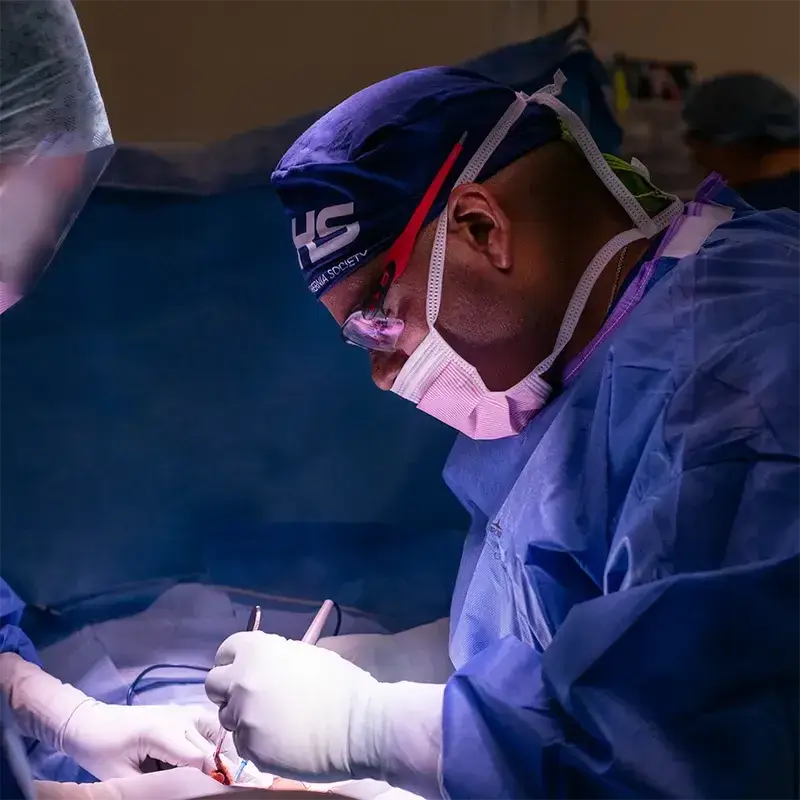
As an experienced general surgeon, Dr Roshan Ariyaratnam has performed numerous gallbladder surgeries near Sunbury. He uses the latest laparoscopic surgical techniques in an effort to minimise recovery time and improve patient outcomes.
Also known as keyhole surgery, laparoscopic surgery is a minimally invasive way to remove the gallbladder. During a laparoscopic cholecystectomy, several small cuts are made to insert instruments, enabling the gallbladder to be removed with generally less pain and faster recovery than open surgery.
Dr Roshan Ariyaratnam’s approach includes:
- Comprehensive evaluation: Determining if gallstones are the source of your discomfort and checking for other conditions, including peptic ulcers or reflux.
- Open communication: Explaining the procedure, outlining possible risks and advantages, and reviewing the consent form in detail beforehand.
- Modern surgical care: Providing laparoscopic gallbladder removal and, when necessary, open surgery to choose the best approach for every patient.
- Post-operative support: Managing post-operative pain, wound care, and dietary guidance (such as a low-fat diet) to help you return to everyday life as quickly and smoothly as possible.
Dr Roshan Ariyaratnam follows an evidence-based and patient-centred approach, prioritising safety and compassion to provide reassurance and guidance throughout treatment.
Looking to learn more about laparoscopic gallbladder surgery from a supportive and experienced local surgeon?
Your Gallbladder Surgery Sunbury Questions Answered
What are gallstones made of?
Inside the gallbladder, hard deposits known as gallstones can develop. These may include cholesterol stones (commonly formed when bile carries too much cholesterol), pigment stones (small, dark stones from high bilirubin levels linked to hereditary blood disorders), or mixed stones (a mixture of cholesterol and minerals). They can range in size from a speck of sand to a few centimetres wide.
How many people have gallbladder diseases?
Because many people with gallstones don’t experience any symptoms, it’s difficult to know the exact figures. Still, estimates suggest around 15% of Australians over the age of 50 are affected.
What are the risks of gallbladder surgery?
As with any operation, there are possible risks to consider. Though uncommon, complications may involve infection, bleeding, bile duct injury, blood clots, or slight bruising and oozing near the incision area. Dr Roshan Ariyaratnam will outline these risks with you before proceeding.
What happens after my gallbladder is removed?
Following gallbladder surgery, many patients leave the hospital the same day or the next. Temporary loose stools or mild diarrhoea can occur as bile flows more freely into the intestine, but this usually resolves. It’s advised to eat a low-fat diet initially, then slowly reintroduce regular foods.
What is a bile duct, and what is its role in the gallbladder?
The bile duct is the channel that carries bile from the gallbladder and liver to the small intestine, where it helps digest fats. The common bile duct is the main pathway that joins smaller ducts together before bile enters the intestine. During gallbladder surgery, surgeons carefully check the bile ducts to ensure no gallstones are blocking them, as this can cause pain, infection, or jaundice.
Do I need a gallbladder if it's causing issues?
The gallbladder isn’t an essential organ, and people may function without it. The gallbladder stores bile, but without it, bile acids enter the small intestine directly. Most patients have no long-term dietary issues, although limiting fatty foods may reduce biliary pain or discomfort during recovery. Some people develop frequent loose stools after gallbladder surgery, particularly after having caffeine or fatty food. If this occurs, it tends to resolve soon afterwards.
Even though minor issues may occur, it’s important not to be discouraged. If you’re experiencing gallstones or another gallbladder condition, laparoscopic removal is generally the safest and most suitable treatment to prevent future problems.
What areas do you service?
Vineyard Specialist Centre is easily accessible to patients in:
Why Dr Roshan Ariyaratnam?
Experience in Minimally Invasive Laparoscopic Surgery
Dr Roshan Ariyaratnam uses advanced laparoscopic techniques to help patients experience reduced pain and a quicker return to normal activities after surgery.
Comprehensive, Local Care
From diagnosis to surgery and recovery, all close to home, Dr Roshan Ariyaratnam offers complete care and clear communication at every step.
Patient-Centred Approach
With more than 15 years of experience in surgery, Dr Roshan Ariyaratnam provides care for patients experiencing bile duct and gallbladder problems.

Our Location near Sunbury
Aiming to Help You Sleep Through the Night Without Pain
If you’ve been dealing with gallstones, biliary colic, or ongoing abdominal discomfort, you don’t have to keep living with it. Laparoscopic gallbladder surgery could help stop future flare-ups and allow you to return to a more comfortable, active life.
Book a consultation with Dr Roshan Ariyaratnam today to discuss your symptoms and find out whether laparoscopic gallbladder surgery may be right for you. Whether you need urgent care for an inflamed gallbladder or are considering your options for managing gallbladder disease, Dr Roshan Ariyaratnam will work with you to provide a personalised treatment plan.