
Gallbladder Removal Surgery Canterbury (Cholecystectomy)
Gallbladder Pain
Waking up in the middle of the night with a sharp pain in your upper abdomen or a squeezing ache across your ribs can be a sign of a ‘gallbladder attack’. It’s often described as severe, prompting many to seek medical attention right away.
The gallbladder is a small organ in the abdomen that stores bile, a digestive fluid released into the small intestine to help break down fats. When bile becomes concentrated with cholesterol or pigments, the gallbladder doesn’t empty properly. This may cause small crystals to develop and gradually grow into gallstones.

Gallbladder Disease
In Australia, gallstone disease is among the leading causes for surgical procedures. Surgeons such as Dr Roshan Ariyaratnam support patients dealing with gallstones and related gallbladder conditions, including acute and chronic cholecystitis, biliary colic, gallstone pancreatitis, and occasionally, gallbladder cancer.
A timely diagnosis combined with appropriate care can help patients find lasting relief and avoid major complications.
With timely diagnosis and the most appropriate treatment, patients may be able to find long-term relief and avoid potentially serious complications.
Symptoms of Gallstones
In some cases, gallstones cause no symptoms. This is because if the stones are small enough, they don’t block the bile duct or interfere with the flow of bile from the gallbladder to the small intestine. However, if gallstones are large enough to cause symptoms, they may lead to:
- Pain in the abdomen, which may be severe
- Abdominal pain that flares up after consuming fatty foods
- Yellow discolouration of the eyes, known as jaundice
- Fever that may accompany pain or infection
Causes of Gallstones
Gallstones can develop for a range of reasons, such as:
- Too much cholesterol in the bile
- Sudden or fast weight loss
- Undergoing hormone replacement therapy
- Blood disorders passed down through families
- Eating certain fatty foods
While some people never experience symptoms, others develop severe biliary pain (also known as biliary colic), recurrent attacks, or complications like chronic pancreatitis or an inflamed gallbladder.
In such situations, gallbladder surgery, also called a cholecystectomy, is often recommended to prevent further episodes and help patients resume their normal routine.
Gallbladder Surgery With Dr Roshan Ariyaratnam
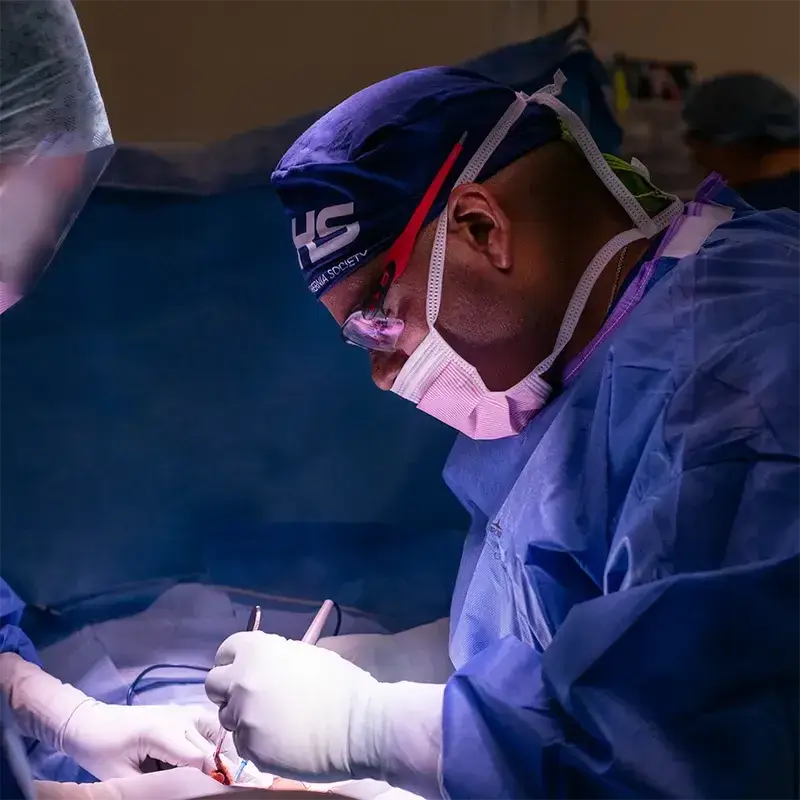
Dr Roshan Ariyaratnam is a highly experienced general surgeon who has carried out many gallbladder surgeries across Canterbury. He utilises advanced laparoscopic methods to support faster recovery and better outcomes for patients.
Laparoscopic surgery, or keyhole surgery, is the most minimally invasive procedure for gallbladder removal (cholecystectomy). A laparoscopic cholecystectomy involves making a few small incisions to insert surgical instruments, allowing the surgeon to remove the gallbladder with typically less post-operative pain than traditional surgery.
His approach to gallbladder surgery includes:
- Thorough assessment: Identifying whether gallstones are responsible for your symptoms and ruling out other possible issues like acid reflux or peptic ulcers.
- Transparent communication: Discussing the potential risks and benefits and ensuring you understand the consent form before surgery.
- Advanced care: Delivering laparoscopic and, when needed, open gallbladder procedures to provide the most appropriate solution for each individual.
- Post-surgery care: Offering guidance on pain relief, wound healing, and diet (such as reducing fat intake) to ensure a comfortable and steady recovery.
Dr Roshan Ariyaratnam follows an evidence-based and patient-centred approach, prioritising safety and compassion to provide reassurance and guidance throughout treatment.
Considering laparoscopic gallbladder surgery and want guidance from a kind, knowledgeable surgeon near you?
Your Gallbladder Surgery Canterbury Questions Answered
What are gallstones made of?
Inside the gallbladder, hard deposits known as gallstones can develop. These may include cholesterol stones (commonly formed when bile carries too much cholesterol), pigment stones (small, dark stones from high bilirubin levels linked to hereditary blood disorders), or mixed stones (a mixture of cholesterol and minerals). They can range in size from a speck of sand to a few centimetres wide.
How many people have gallbladder diseases?
The true rate of gallstones is uncertain, as many people remain symptom-free. However, research suggests that about 15% of Australians older than 50 are likely to have gallstones.
What are the risks of gallbladder surgery?
As with any operation, there are possible risks to consider. Though uncommon, complications may involve infection, bleeding, bile duct injury, blood clots, or slight bruising and oozing near the incision area. Dr Roshan Ariyaratnam will outline these risks with you before proceeding.
What happens after my gallbladder is removed?
After gallbladder removal, patients typically go home within a day. Some may have mild diarrhoea or softer stools while the body adjusts to the constant bile flow, though this tends to settle. A low-fat diet is encouraged early on, with a gradual transition back to normal meals.
What is a bile duct, and what is its role in the gallbladder?
The bile duct carries bile from both the liver and gallbladder into the small intestine, assisting in the digestion of fats. The main duct, called the common bile duct, collects bile from smaller ducts before it reaches the intestine. Surgeons carefully examine these ducts during gallbladder surgery to confirm they’re clear of stones that could cause pain or infection.
Do I need a gallbladder if it's causing issues?
Although the gallbladder helps store bile, it isn’t essential for healthy digestion. Once removed, bile simply travels directly to the small intestine. Most patients continue to eat normally long-term, though avoiding fatty foods early in recovery can help minimise discomfort. Some may experience brief bouts of loose stools after having caffeine or fatty meals, which typically resolve soon.
Despite these potential side effects, it’s best not to avoid treatment. For anyone with gallstones or related gallbladder conditions, laparoscopic gallbladder surgery is usually the most suitable option to avoid ongoing or serious complications.
What areas do you service?
Union Road Specialist Centre is easily accessible to patients in:
Why Dr Roshan Ariyaratnam?
Experience in Minimally Invasive Laparoscopic Surgery
With extensive experience in laparoscopic gallbladder surgery, Dr Roshan Ariyaratnam focuses on achieving a smoother recovery and minimising post-surgery pain for patients.
Comprehensive, Local Care
From diagnosis to surgery and recovery, all close to home, Dr Roshan Ariyaratnam offers complete care and clear communication at every step.
Patient-Centred Approach
Drawing on more than 15 years of surgical experience, Dr Roshan Ariyaratnam supports patients dealing with gallbladder and bile duct conditions.

Our Location near Canterbury
Aiming to Help You Sleep Through the Night Without Pain
If you’ve been dealing with gallstones, biliary colic, or ongoing abdominal discomfort, you don’t have to keep living with it. Laparoscopic gallbladder surgery could help stop future flare-ups and allow you to return to a more comfortable, active life.
Schedule a consultation with Dr Roshan Ariyaratnam to review your symptoms and better understand your treatment options, including laparoscopic gallbladder surgery. From urgent gallbladder inflammation to ongoing gallbladder disease, he will work with you to create a treatment plan suited to you.